


Climate Finance and Innovation
Accelerating Capital Deployment for Scalable Climate Impact
The Milken Institute connects the dots between investors and philanthropists who direct funding where it is needed most, driving transformation at scale.
Innovating Financial Models to Bridge the Climate Investment Gap
The Milken Institute develops new, strategic, data-driven mechanisms to close the climate finance gap, ensuring capital flows efficiently and effectively to high-impact solutions.

Designing Solutions for Food Systems Resilience, Nutrition, and Sustainability
The Milken Institute mobilizes action and innovation to transform food systems, ensuring they are resilient, nutritious, and sustainable, while driving economic and environmental stability.

Featured Content
-
 Priorities for Strategic Climate and Environmental PhilanthropyClimate disasters—including intensified droughts, wildfires, storms, and flooding—are on the rise globally, with cascading negative impacts on communities and ecosystems.Read Report
 -
 Despite Significant Challenges & Economic Anxiety, Business Leaders and Americans Align Around New Strategies to Offset Risk According to New Milken Institute-Harris PollU.S. business leaders and Americans alike are confronting significant geo-economic challenges, according to a new Milken Institute-Harris Poll report, “Building A Resilient America: The New Consensus for Action.”Read Report
 -
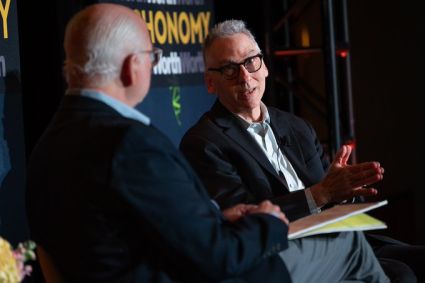 Investing In Climate Futures: Trends and Opportunities In Green
Milken Institute’s Dan Carol, Senior Director of Finance, joined Techonomy Climate West to explore green finance trends in a conversation with Jim McCann, Chairman of Worth Media Group.
Watch Discussion -
 Recalibrating Climate Finance 2025-2035The race to decarbonize the global economy depends on the success of efforts to unlock and mobilize trillions of dollars to finance climate mitigation and adaptation, especially for the countries and populations most vulnerable to the effects of climate change. Learn more about the high-impact climate deployment strategies we are recommending for the next decade.Learn More
 -
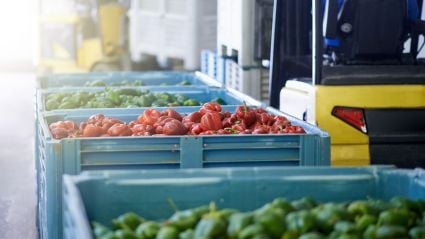 How Philanthropy Can Build Resilient Food Supply Chains
From the COVID-19 pandemic to geopolitical conflicts, and catastrophic steering failures on cargo ships, as reported by NPR and The New York Times, the world has seen how a weak link in a supply chain can have far-reaching consequences for businesses and livelihoods, restricting consumer access to everything from food staples to essential manufacturing components.
Read Article
Climate Finance and Innovation
Highlights
-

Strengthening the US-Mexico Pharmaceutical Supply Chain
The pharmaceutical supply chain is an intricate, interconnected system that plays a crucial role in ensuring communities and individuals have timely access to medicines.Read Report

-

In the Hot Seat: Financing Asia's Heat Resilience
By 2050, nearly 1.2 billion people in Asia are projected to be exposed to lethal heat waves. Without action, heat-related productivity losses alone could reduce regional GDP by 25–30 percent by 2048, threatening competitiveness, food...Read ReportImage
Ella Tan
Associate Director, Asia, Milken Institute InternationalElla Tan is an associate director, Milken Institute International in Singapore. Her current research focuses on vaccination access and delivery, the opportunities and challenges for technology to transform mental health care in Asia, and the role of cloud technology to enhance resilience and advance the Environmental, Social, and Corporate Governance (ESG) goals of the financial sector. -

The New Investor Narrative: Discussion Document
In an era marked by geopolitical volatility, rapid technological change, rising energy demand, and intensifying extreme weather, investor interest in climate resilience remains strong.Read Report
-

As COP30 Convenes, New Research Shows Path for Climate Investor Action: Lead with Economic Benefits, Not Crisis
Milken Institute-Harris Poll research of 7,000+ people globally finds investment appetite remains strong but requires reframing around local solutions and economic opportunity Belém, Brazil (November 9, 2025)—A new global study released...Read ArticleBelém, Brazil (November 9, 2025)—A new global study released today ahead of COP30 by the Milken Institute and The Harris Poll reveals that while 95 percent of people worldwide believe climate change...
 LR
LR
-

Unintended Consequences: Trade and Supply Chain Leaders Respond to Recent Turmoil
The global economy has entered a new, more volatile era, defined by compounding disruptions in technology, climate resilience, and global trade. In response, the Milken Institute launched the Geo-Economics Initiative in 2024 to help...Read ReportThe global economy has entered a new, more volatile era, defined by compounding disruptions in technology, climate resilience, and global trade.

-

The Impact of Mining on Local Communities
Global mining demand from clean energy technologies is projected to double—or more—by 2040. Meeting this demand through increased mining activity is crucial to addressing climate change, but it will also significantly and disparately impact...Read ReportImage
Brock Smith
Director, ResearchBrock Smith, PhD, is a director on the research team at the Milken Institute. His research has focused on environmental economics and natural resource economics, particularly the economic and social effects of natural resource booms. -

After the Fires, the Fires Still Burn
On January 7, 2025, the Los Angeles metropolitan area experienced something unprecedented in modern American history. Two simultaneous urban fires broke out in Los Angeles County, fueled by a nine-month drought and hurricane-strength winds...Read Article -
Debt and Climate Change: The New Playbook
By now, we all know the story—the world is going through a disruptive, transitional phase at historical levels. The dislocating effects of globalization have eroded support for the existing multilateral system, while exposing deficiencies...Read ArticleImage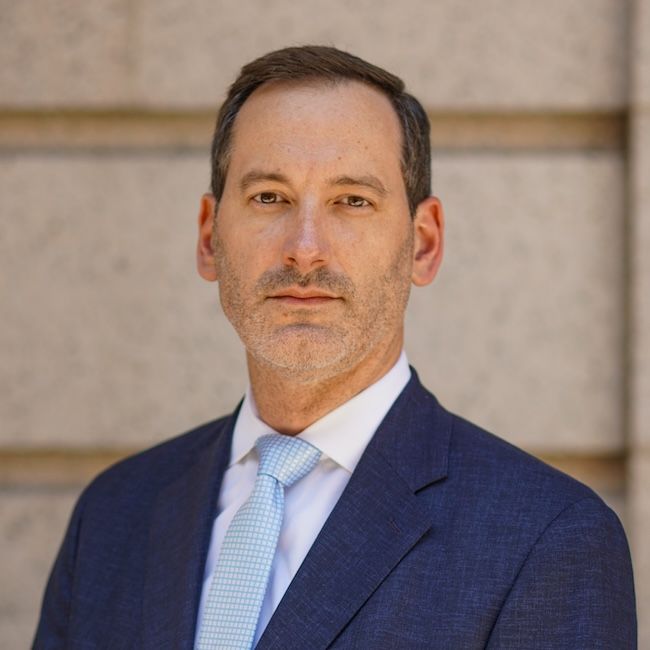
Matthew Aleshire
Director, Geo-EconomicsMatthew Aleshire is director on the Milken Institute’s Geo-Economics Initiative and helps to lead the work around the topics of climate change, the global financial architecture, and international political economy. Aleshire previously focused on global policy and government engagement for the Milken Institute, overseeing efforts to advance policy solutions across the Institute’s research and convenings. -
Cross-Sector Collaboration for Global Financing Solution to Address Deforestation
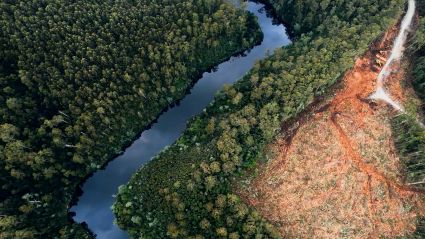
The preservation of the world’s tropical forests is a critical challenge. Globally, deforestation continues to rise, driven by socioeconomic factors and the compounding effects of climate change, driving biodiversity loss and water...Read Essay


Our Team
Matthew Aleshire

Dan Carol

Sara ElShafie, PhD

Holly Freishtat

Emily Musil, PhD