
Enabling Networks of Research Infrastructure for Community Health Through Clinical Trials (ENRICH-CT)
Featured Article
Expanding Access to Clinical Trials: Insights from FasterCures’ ENRICH-CT Coalition
In FasterCures’ extensive work to capture lessons learned from the COVID-19 pandemic, it became clear that the US lacked sufficient infrastructure near communities to run trials efficiently or to engage potential participants in the places where they live, work, and receive care.

About the Program
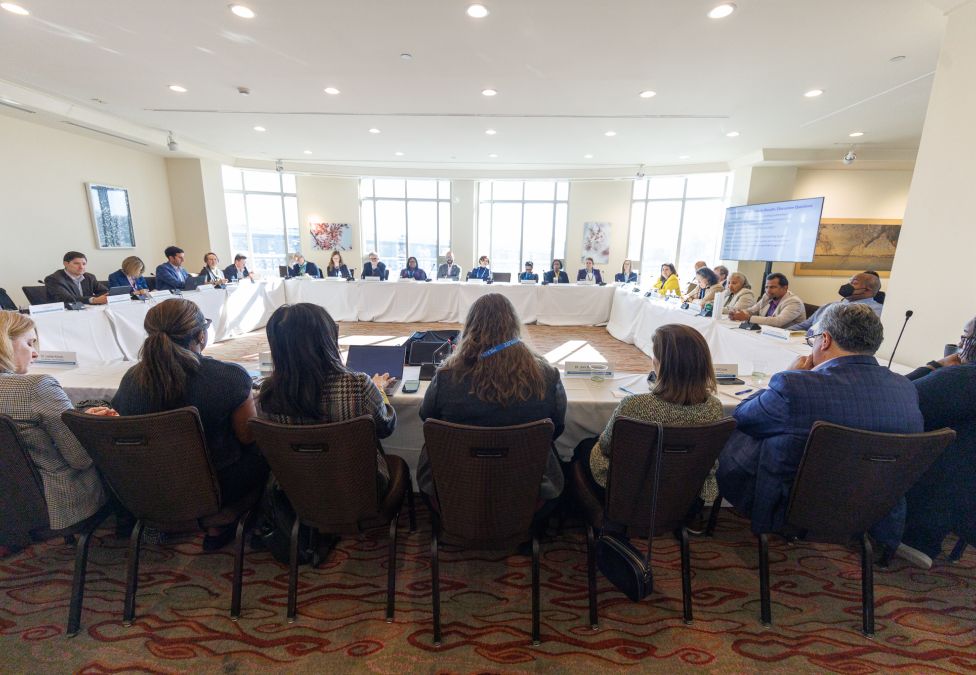
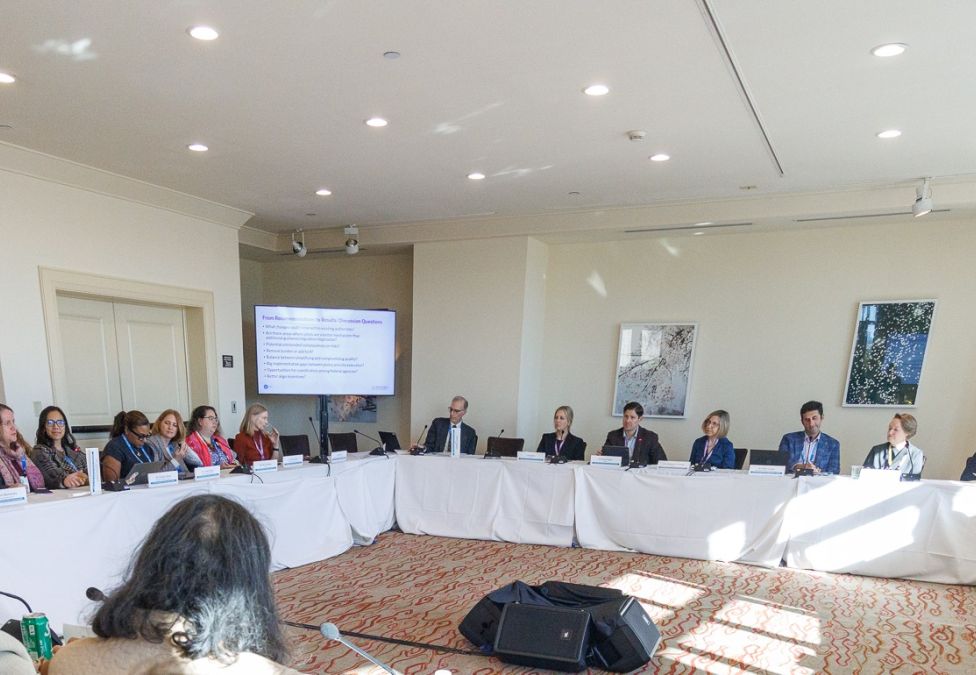
The Milken Institute’s FasterCures is leading Enabling Networks of Research Infrastructure for Community Health through Clinical Trials (ENRICH-CT), a multi-stakeholder initiative focused on driving dialogue and advancing practical solutions for ways the public and private sectors can support more infrastructure in the US for more inclusive clinical research.
ENRICH-CT’s Objectives
- Develop and advance solutions by creating resources and recommending tools, policies, and practices to strengthen community research infrastructure
- Convene and connect diverse stakeholders to exchange ideas and elevate best practices
- Build capacity and sustainability through knowledge sharing, mentorship, and cross-sector learning to bring research closer to communities and support long-term infrastructure

ENRICH-CT's Focus Areas



How ENRICH-CT Works

ENRICH-CT’s Members
The ENRICH-CT coalition has unique reach due to its diverse membership:
Executive Committee
- Image

- Image

- Image

- Image

- Image

- Image

- Image

- Image

- Image

- Image

- Image

- Image

- Image

- Image

- Image

- Image

- Image

- Image

- Image

- Image

- Image

Member Organizations
Disclaimer: The logos below do not represent every organization in ENRICH-CT.
- Image

- Image

- Image

- Image

- Image

- Image

- Image

- Image

- Image

- Image

- Image

- Image

- Image
- Image
- Image

- Image

- Image

- Image

- Image

- Image

- Image

- Image

- Image

- Image

- Image

- Image

- Image
- Image

- Image

- Image

- Image

- Image

- Image

- Image

- Image

- Image

- Image

- Image

- Image

- Image

Landscape Inventory
The landscape inventory is a collection of initiatives related to ENRICH-CT's goal of advancing community-based clinical research, especially those spearheaded by coalition members. The resource serves as a method to track the state of the ecosystem, prioritize areas of need, and avoid redundant efforts. The document will be updated periodically as additional initiatives are developed, identified, and submitted. To request the landscape inventory, please email [email protected].
Featured Content
-

Community-Based Infrastructure for Inclusive Research: Engaging the Private Sector
Clinical trial networks, as evidenced during the COVID-19 pandemic, really are “national critical infrastructure.” The pandemic revealed prominent gaps and stark differences in health outcomes across various populations. A community-based...Read Report

-

Building Community-Based Infrastructure for Inclusive Research: Lessons from the Pandemic for Federal Action
COVID-19 has focused the public’s attention on the racial and ethnic disparities in health outcomes, unequal access to health care, and some communities’ lack of trust and participation in medical research. These problems have been decades...Read Report
-

Distance as an Obstacle to Clinical Trial Access: Who Is Affected and Why It Matters
Access to clinical trials is valuable for patients as it provides the possibility to obtain novel treatments that are not yet commercially available. There are many barriers to access for patients wishing to join clinical trials, including...View Research
 LM
AP
LM
AP
-

Hot Spots for Decentralized Clinical Trials: Reframing Old Challenges
Clinical research asks questions about how well an investigative treatment or diagnostic works, or how well and in what amounts existing treatments work by comparison. But, with a broader view, clinical research can do more. If research is...Read Article
AP
-
Ensuring Lawful Regulation and Unleashing Innovation To Make America Healthy Again
The FasterCures team at the Milken Institute is honored to provide its expert response to the Request for Information regarding Ensuring Lawful Regulation and Unleashing Innovation to Make America Healthy Again, as part of the President’s...Read LetterImage
Esther Krofah
Executive Vice President, Milken Institute HealthEsther Krofah is the executive vice president of Health at the Milken Institute, leading FasterCures, Public Health, the Future of Aging, and Feeding Change. A recognized expert in health policy, biomedical innovation, and clinical research, Krofah has extensive experience shaping health initiatives that unite diverse stakeholders, foster collaboration, and motivate action toward shared goals. -

Community-Based Infrastructure for Inclusive Research: Democratizing Access to Research
FasterCures’ work, spurred by the COVID-19 pandemic, identified numerous challenges in both the publicly and privately funded research ecosystems that make it difficult for established players to sustain and scale efforts to move research...Read Report


-

Lessons Learned From COVID-19: Are There Silver Linings for Biomedical Innovation?
FasterCures wants to ensure that the lessons of the COVID-19 crisis are not lost once the current urgency subsides — not only for combating future infectious diseases, but for conducting every other aspect of biomedical innovation...Read Report
Events
-
 Time=Lives and Building the Clinical Trial Enterprise of the FutureFuture of Health Summit 2022
 -
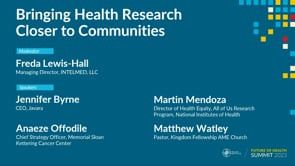 Bringing Health Research Closer to CommunitiesFuture of Health Summit 2023
 -
 Revolutionizing Research: Democratizing Clinical TrialsGlobal Conference 2024
 -
 How Can Clinical Trials Keep Pace with Science?Future of Health Summit 2024
 -
 Enabling Community-Based Research Through Policy and Practice ChangeFuture of Health Summit 2025