June 18, 2026 (Washington, DC)—The Milken Institute Science Philanthropy Accelerator for Research and Collaboration (SPARC), in partnership with the Ann Theodore Foundation (ATF), today announced that the Ann Theodore Foundation Learning Opportunities in Medicine and Sarcoidosis (ATF-LOMAS) grant program has committed its first cycle of funding, totaling US$600,000 to early-career faculty conducting biomedical research in sarcoidosis. Concurrently, SPARC and ATF have issued a request for proposals from early-career sarcoidosis researchers for the program’s second annual funding cycle.
ATF-LOMAS’ inaugural cohort of awardees will lead scientifically rigorous research projects with the potential to elucidate the underlying biology of sarcoidosis:
- Institution: University of Maryland, Baltimore
Lead investigator: Bing Ma, PhD
Project: Prognostic and Mechanistic Metabolomic Drivers of Sarcoidosis Progression
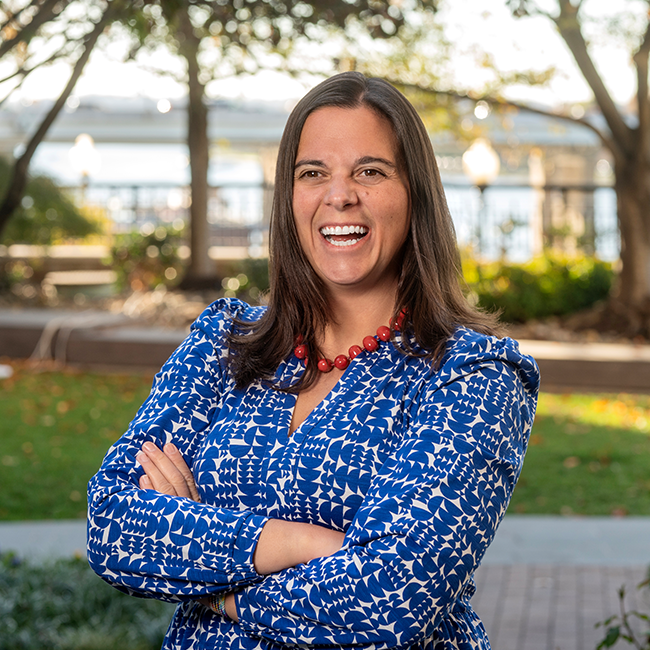
- Institution: Johns Hopkins University
Lead investigator: Kristen Mathias, MD
Project: Environmental Drivers of Clinical Heterogeneity in Pulmonary Sarcoidosis
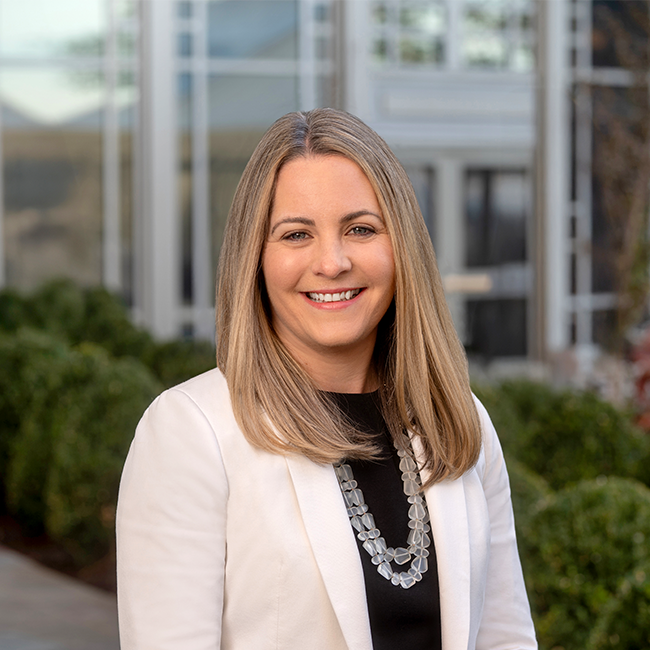
- Institution: National Jewish Health
Lead investigator: Mary Richert, MD
Project: Transcriptomic Signatures of Sarcoidosis-Associated Pulmonary Fibrosis
Additionally, ATF and SPARC are accepting new applications from early-career faculty through Monday, October 26, 2026, for ATF-LOMAS’ second annual funding cycle. Awardees, to be selected in January 2027, will each receive up to US$200,000 over two years to support research projects focused on the biology, epidemiology, or clinical care of sarcoidosis. Each awardee will also be paired with a faculty mentor. Applicants are encouraged to submit optional letters of intent by Thursday, July 23, 2026, for the opportunity to receive preliminary feedback from ATF’s scientific advisory board that may strengthen their subsequent full applications. For more information, explore ATF-LOMAS’ request for proposals: https://milkeninstitute.org/content-hub/rfps/request-proposals-ann-theo…
Sarcoidosis, a debilitating and sometimes fatal inflammatory condition, is marked by abnormal clusters of immune cells in various organs—most frequently in the lungs. People living with the condition may experience extreme fatigue, breathing difficulties, joint pain, fever, or eye inflammation. These complications may resolve spontaneously within one to two years for some individuals, while they may be lifelong or recurrent for others. General anti-inflammatory agents are the only US Food and Drug Administration-approved medications commonly used to treat sarcoidosis, which may mitigate symptoms but cannot address the disorder’s underlying causes.
“The Milken Institute’s SPARC has been proud to partner with ATF since 2020 to improve scientific understanding of and care for sarcoidosis,” said Melissa Stevens, executive vice president of strategic philanthropy at the Milken Institute. “Unfortunately, promising researchers and clinicians often leave the sarcoidosis field in favor of other fields with more consistent funding, where they feel more secure building their careers. Gaps in research funding—and the resulting workforce gaps—like these can be remedied with targeted infusions of philanthropic capital. Grant programs like ATF-LOMAS can provide rising generations of researchers and clinicians with enough funding and guidance to create a foothold in sarcoidosis when they may not have been able to otherwise. Adding new professionals to the field and ensuring a continuous pipeline of talent is critical for building a clearer picture of this condition and improving care for people who live with it.”
SPARC and ATF developed ATF-LOMAS to address the dearth of sustainable funding opportunities for sarcoidosis researchers who are newly independent, as part of the partners’ broader effort to counteract an already sparse funding environment for sarcoidosis researchers at any career stage. Early-career faculty, defined here as those within five years of their first independent faculty appointment, need start-up resources to develop initial data and publications that, in turn, can garner the robust funding necessary to sustain a career focused on sarcoidosis. In addition to funding, each ATF-LOMAS awardee receives mentorship from an experienced sarcoidosis researcher to address the need for sarcoidosis-specific knowledge transfer in such a small field. Cumulatively, ATF-LOMAS and two other grant programs created through SPARC’s and ATF’s partnership—ATF-BSI (Breakthrough Sarcoidosis Initiative) and ATF-SIM (Sarcoidosis Inhibitor of mTOR)—have committed more than $15 million to sarcoidosis research to date.
“The funding that the foundation has deployed to date represents the largest single source of focused support for sarcoidosis,” said Lisa Spalding, spokesperson for the Ann Theodore Foundation. “More importantly, we and Milken Institute SPARC ensure that this support reaches foundational scientific and medical infrastructure, such as an engaged workforce and early-stage biomedical research. In a historically small and fragile field, we believe that building a self-sustaining pool of community and resources is the surest strategy to ultimately advance better treatments and care regimens for those with sarcoidosis and their families.”
Media Contact
Libby Miller
[email protected]
About the Milken Institute
The Milken Institute is a nonprofit, nonpartisan think tank focused on accelerating measurable progress on the path to a meaningful life. With a focus on financial, physical, mental, and environmental health, we bring together the best ideas and innovative resourcing to develop blueprints for tackling some of our most critical global issues through the lens of what’s pressing now and what’s coming next.
Milken Institute Strategic Philanthropy tackles persistent societal challenges by guiding individuals and foundations with the insights and tools to develop strategies, implement giving programs, and foster collaboration to create a better, more equitable world.
The Milken Institute’s Science Philanthropy Accelerator for Research and Collaboration (SPARC) works to develop, launch, and lead initiatives that fund medical research and invest to accelerate the development of tools and treatments that will bring better health to millions of people. We partner with philanthropists, leading them through complex medical research and clinical systems.
About the Ann Theodore Foundation
The Ann Theodore Foundation is a grant-making private foundation that supports a broad range of initiatives, including opportunities for learning and enrichment for young people, food security, climate change mitigation, college access and success, and research towards a cure and improving care for people with sarcoidosis. The foundation’s philanthropy is informed by the values of compassion, integrity, respect, and community.