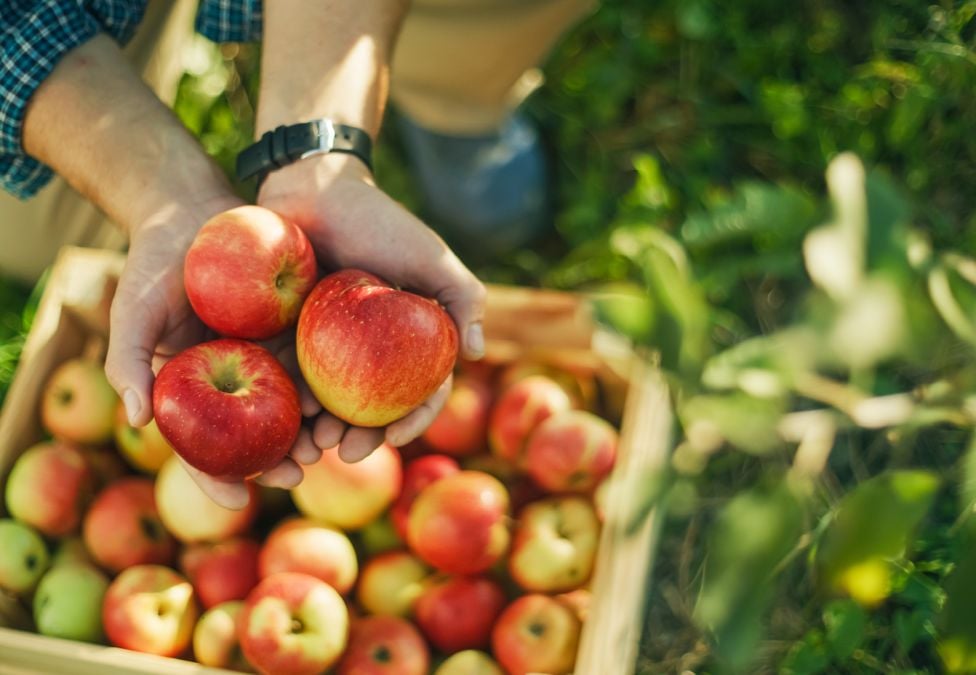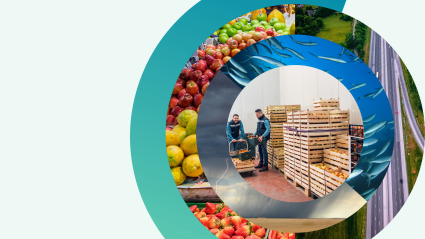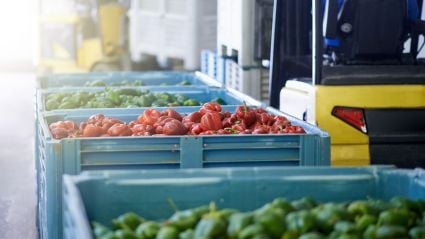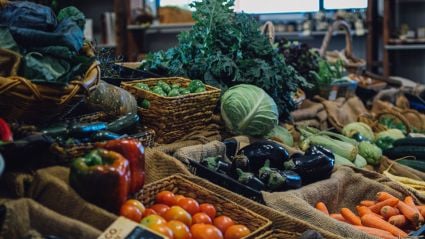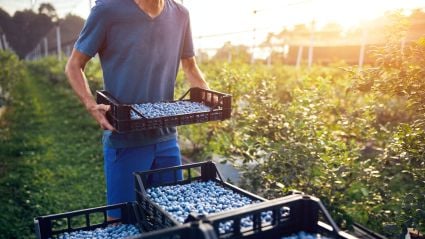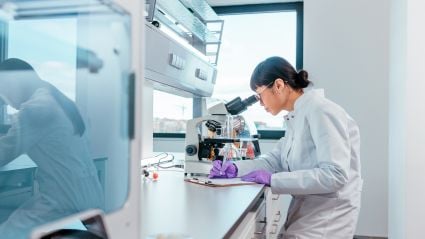
Sitting at the intersection of produce production and Food Is Medicine, Feeding Change is uniquely positioned to highlight opportunities that link resilient food production—specifically fruit and vegetable production—with improving overall health in the US. This brief focuses on four priority policy areas: promoting healthy soils, improving risk protection, investing in a modern agricultural workforce, and integrating fruit and vegetables into health interventions.
Feeding Change worked with key stakeholders to inform the policy priorities and recommendations in this brief. These stakeholders represent 20 experts from across the food system, including farmers, distributors, producers, retailers, health systems, researchers, investors, and members of the Feeding Change Business Council. View a full list of Feeding Change Business Council members.
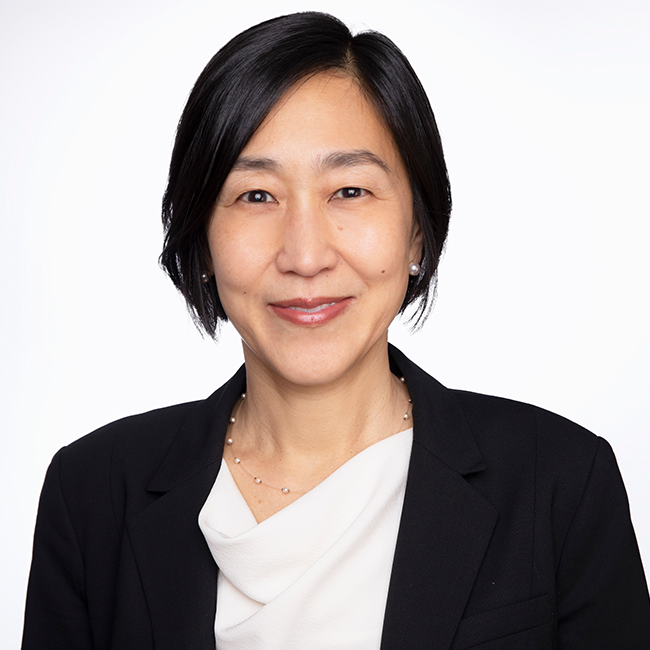
Holly Freishtat
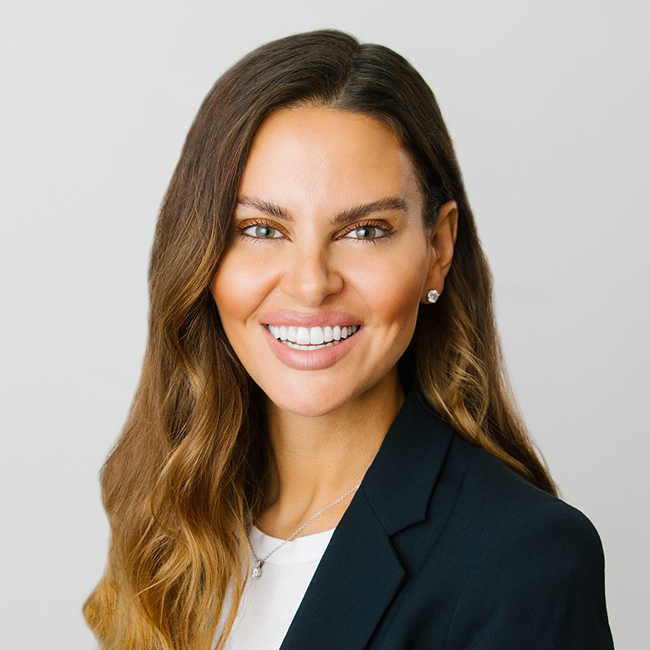
Athena Rae Roesler
Julia Hesse-Fong
Related Content
-
Insights on Investments in Food Systems Transformation: Pathways to COP30
This brief synthesizes those conversations into four key themes related to the trends, challenges, and opportunities for public, private, and nonprofit capital to drive food systems transformation.Read Report
IM
-
Fighting Food Insecurity to Improve Health
When it comes to improving health, few opportunities are as obvious as Food Is Medicine (FIM). Nutritious food is essential to good health, and health-care organizations such as Centene are increasingly using FIM as a lever to drive better...Read Essay -
Transforming Health Outcomes Through Strategic Collaboration
Solving the complex challenges within our health-care system requires more than policy changes or technological advancements—it demands a deeper understanding of the social barriers individuals face. There is no one-size-fits-all solution.Read Essay -
How Philanthropy Can Build Resilient Food Supply Chains
From the COVID-19 pandemic to geopolitical conflicts, and catastrophic steering failures on cargo ships, as reported by NPR and The New York Times, the world has seen how a weak link in a supply chain can have far-reaching consequences for...Read Article
IM
-
Key Trends in Health at Milken Institute Global Conference 2024
This brief summarizes the key trends, ideas, and solutions discussed at the Milken Institute Global Conference 2024 to increase access to innovation and improve health outcomes.Read Report -
Milken Institute Feeding Change Commitment of Support for the White House Conference on Hunger, Nutrition, and Health
Washington, D.C. – September 28, 2022 – Feeding Change, a program of the Milken Institute, commits to convening its private sector Food Is Medicine (FIM) Task Force to elevate, accelerate, and scale coverage and implementation of a range of...Read StatementImage
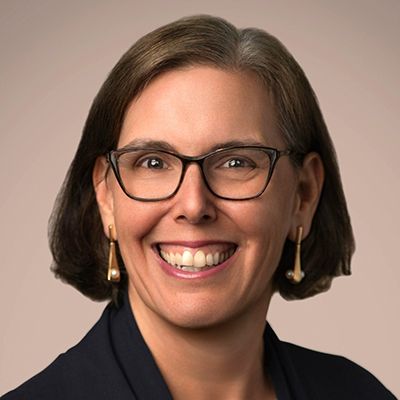
Holly Freishtat
Senior Director, Feeding Change, Milken Institute HealthHolly Freishtat is the senior director of Feeding Change at the Milken Institute and leads the food systems portfolio. -
Activating the Food Is Medicine Ecosystem: A Framework for Stakeholder Relationships
Food Is Medicine (FIM) has reached a critical inflection point. What began as a community-rooted response to unmet nutrition needs has evolved into a nationally recognized strategy for preventing and treating diet-related chronic disease...Read Report -
What I’ve Learned from Berries—and the People Behind Them
When I think about the future of food, I don’t start with technology or capital markets. I start in the field, with farmers I’ve spent time with, as people who wake up before sunrise to make decisions that carry real risk. I think about...Read Essay -
The Partnership Is the Innovation: Rebuilding Health from the Ground Up
In every conversation about health equity, the same phrase eventually surfaces: We need to meet people where they are. But what if we went further—and built systems that start where people are?Read Essay