Feeding Change is a team of food-system experts within the Milken Institute, a nonprofit, nonpartisan think tank, who activate social and financial capital, engage policymakers and industry leaders, and convene key stakeholders to catalyze a more nutritious, sustainable, resilient, and equitable food system. Sitting at the intersection of finance and health, Feeding Change is uniquely positioned within the Milken Institute to provide expertise on how to leverage the Farm Bill to drive food systems transformation and achieve better health outcomes. Improving health outcomes will help reduce the prevalence and severity of chronic health conditions, which drive the greatest portion of healthcare costs.
Feeding Change worked with key stakeholders to inform the policy priorities in this document. These stakeholders include members from the Feeding Change Food Is Medicine (FIM) Task Force (an advisory group of nonprofit and academic FIM experts) and a Business Council of food systems leaders. These members represent over 50 companies and organizations across the insurance, health system, food retail, academic, nonprofit, technology, investment, agriculture, and food processing and manufacturing sectors. View a full list of FIM Task Force members and advisors.
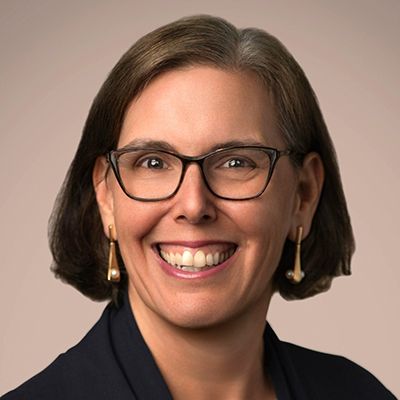
Holly Freishtat
Athena Rae Roesler
Related Content
-
A Blueprint for Employer-Led Food as Health Strategies
Employers are increasingly recognizing how food can promote whole-person health by addressing physical well-being, resilience, disease prevention, and mental health.Read Report -
Rooted in Health: How Agriculture and Health Care Can Grow Together
With chronic diseases on the rise and millions struggling with food insecurity, access to fresh, nutrient-rich fruits and vegetables has become more critical than ever. The "Food is Health" movement is reshaping how we think about health...Read Essay -
How Philanthropy Can Build Resilient Food Supply Chains
From the COVID-19 pandemic to geopolitical conflicts, and catastrophic steering failures on cargo ships, as reported by NPR and The New York Times, the world has seen how a weak link in a supply chain can have far-reaching consequences for...Read Article
IM
-
Bridging Gaps to Improve Food Access and Convenience
Whether evaluating access to health care, transportation, or healthy foods, there is a disproportionate impact in underserved communities. For example, nearly 24 million people live in food deserts in the US, low-income communities located...Read Essay -
Financial Innovations Lab: Market Solutions for Scaling Food Is Medicine Prescriptions
Diet-related chronic disease continues to rise throughout the US population and, with it, the cost of health care. Despite record spending, the US experiences the lowest life expectancy among high-income countries and demonstrates declining...Read Report
MB
IM
-
The Wealth and Power Global Food Distribution Conundrum
A troubling reality looms large over the global food system: It is rigged in favor of wealthy nations. With the world’s population projected to reach 10 billion by 2050, the inequalities ingrained in food production, distribution, and...Read Essay -
The White House Conference on Hunger, Nutrition, and Health
Investing in the intersection of food and healthcare is critical to achieving nutrition equity. Feeding Change submitted a letter informed by the Food Is Medicine Task Force that provides comments to inform the national strategy for the...Read LetterImage
Holly Freishtat
Senior Director, Feeding Change, Milken Institute HealthHolly Freishtat is the senior director of Feeding Change at the Milken Institute and leads the food systems portfolio. -
Hungry for Action: Building Food System Resiliency Amid COVID-19
Explore Inventory The COVID-19 pandemic continues to highlight the importance of the food system: all the activities, resources, and relationships that go into producing, distributing, and consuming food. Images of emptying grocery shelves...Read Report
NS
CS
-
Strengthening the Food System to Bolster the Nation
The worldwide pandemic and economic collapse caused by the novel coronavirus is a global tragedy that will change the way we think about many things, including how food arrives (or doesn’t arrive) on our plates. We are part of an unplanned...Read Essay
Rodney Ferguson, John Fisk, and Lucy Jodlowska