

SVG


Feeding Change
Featured



Policy Brief
Nourishing the Nation: Strengthening the Production of US Produce to Support Health
Sitting at the intersection of produce production and Food Is Medicine, Feeding Change is uniquely positioned to highlight...
Read
Policy Brief
Featured
Policy Brief
Nourishing the Nation: Strengthening the Production of US Produce to Support Health
Sitting at the intersection of produce production and Food Is Medicine, Feeding Change is uniquely positioned to highlight...
Read
Policy Brief
SVG
Feeding Change
Focus Areas
Through our programs and focus areas, we collaborate with cross-sector stakeholders and experts, bring together influential changemakers, convene food leaders at Milken Institute events, advocate strongly for Food Is Medicine prescriptions and the continuum of care, champion the central role of food systems in addressing climate change, and explore how market-based innovations and public/private investment can address complex food systems challenges.
Building a Sustainable and Resilient Food System
Mobilizing global partnerships to address food systems as a climate issue.
Creating a Nutritious and Equitable Food System
Elevating Food Is Medicine (FIM) interventions to treat and prevent food insecurity and diet-related chronic disease.
Feeding Change
Most Recent Content
-

Rooted in Health: How Agriculture and Health Care Can Grow Together
With chronic diseases on the rise and millions struggling with food insecurity, access to fresh, nutrient-rich fruits and vegetables has become more critical than ever. The "Food is Health" movement is reshaping how we think about health...Read Essay -

How Checking Out at the Register Could Help Solve Climate Change
Humanity has made significant progress in overcoming some of its greatest challenges, including disease, hunger, and poverty. However, climate change now threatens to reverse this hard-earned progress. Since the Paris Agreement in 2016, the...Read Essay -

Valuing Nature Is an Economic Imperative
Nature has long been undervalued and misunderstood. The belief that nature exists to serve humankind is dangerous for the planet and people. A modern worldview of the importance of nature should take its cue from the findings of The...Read Essay -

Bridging Gaps to Improve Food Access and Convenience
Whether evaluating access to health care, transportation, or healthy foods, there is a disproportionate impact in underserved communities. For example, nearly 24 million people live in food deserts in the US, low-income communities located...Read Essay -

The Time to Act on Nature Is Now
Nature encompasses the Earth’s natural resources and systems and, as stated by Delphi Group in a recently released report, we are currently facing an unprecedented decline in these natural systems and a depletion of natural resources. This...Read Essay -
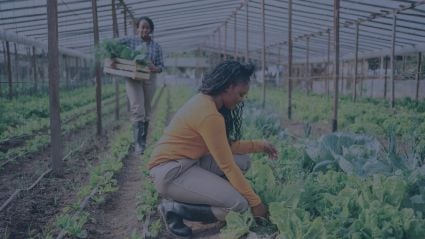
Creating Equitable Food Systems with Holistic, Data-Based Solutions
As executive director of the World Food Programme, I saw firsthand destitute hunger causing pain and suffering in communities around the world. Every year, victims of climate change face the consequences of drought-driven poor agricultural...Read Essay -

The Wealth and Power Global Food Distribution Conundrum
A troubling reality looms large over the global food system: It is rigged in favor of wealthy nations. With the world’s population projected to reach 10 billion by 2050, the inequalities ingrained in food production, distribution, and...Read Essay -
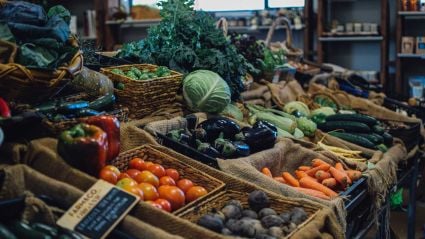
Why Food Democracy Matters in the Food Is Medicine Movement
What does our food system, health-care system, and American democracy have in common? They all need to be saved. And coming at a critical time, the recent convening of the White House Conference on Hunger, Nutrition, and Health galvanized...Read Essay -

Social Determinants of Health: It’s Always About Money
The COVID-19 pandemic illuminated several persistent problems that have plagued our communities for centuries: systemic and structural racism and classism, pernicious health inequities, weak public health infrastructure, a fractured health...Read Essay









Related Event Sessions
-
 Lunch Program | What’s Cooking: Global Child Nutrition to Fuel Bright FuturesAsia Summit 2025
 -
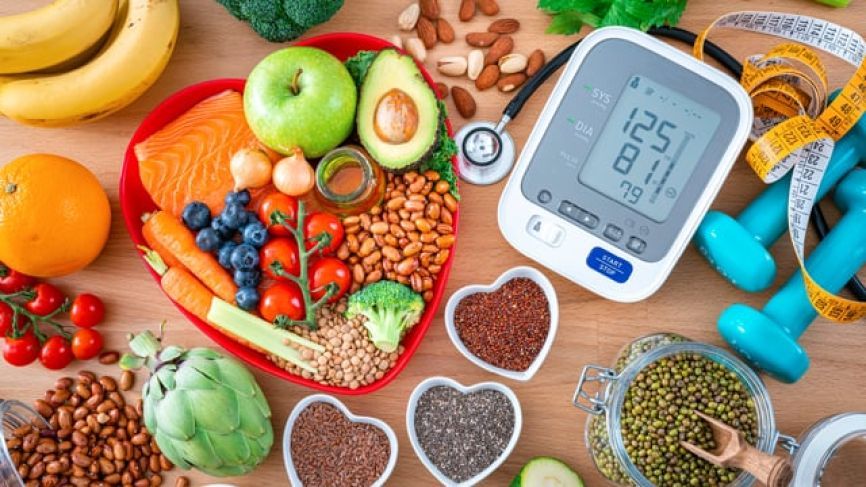 Integrating Food into Health Care: What's It Going to Take?Future of Health Summit 2025
 -
 Transforming Food for a Healthier FutureGlobal Conference 2025
 -
 Part 1: A Conversation with US Secretary of Agriculture Tom VilsackFuture of Health Summit 2024
 -
 Part 2: Food as Engagement: Implications for Health and Access to CareFuture of Health Summit 2024
-
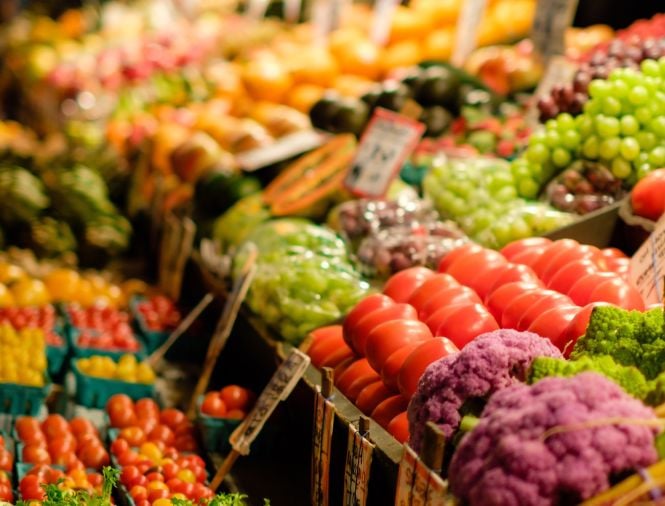 Decarbonization and the Path Towards Sustainable Food Systems2024 Asia Summit
 -
 Food Systems as an Asset Class2024 Global Conference Session
 -
 The Future of Food Retail2024 Global Conference Session
 -
 COP28 and Beyond: Food Systems Financing2023 Middle East and Africa Summit Session
 -
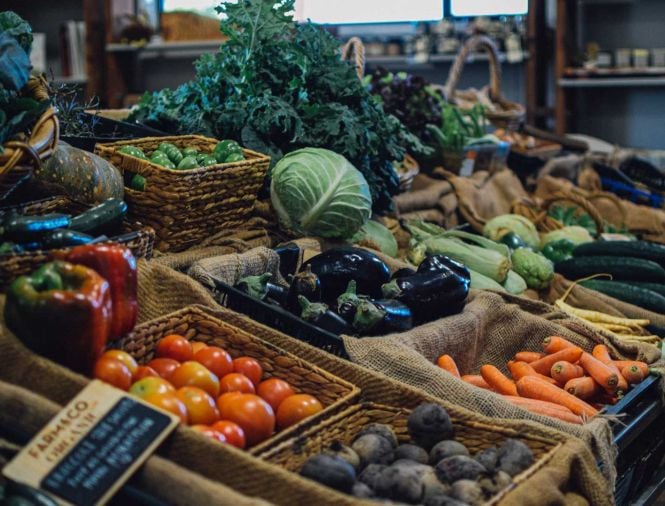 Food Policy: From Farm Bill to Health Care | Part 2: Creating an Equitable, Nutritious, Sustainable, and Resilient Food System2023 Future of Health Summit Session
 -
 FoodRx Innovations: Financing, Technology, and Stakeholder Relationships2023 Future of Health Summit Session
 -
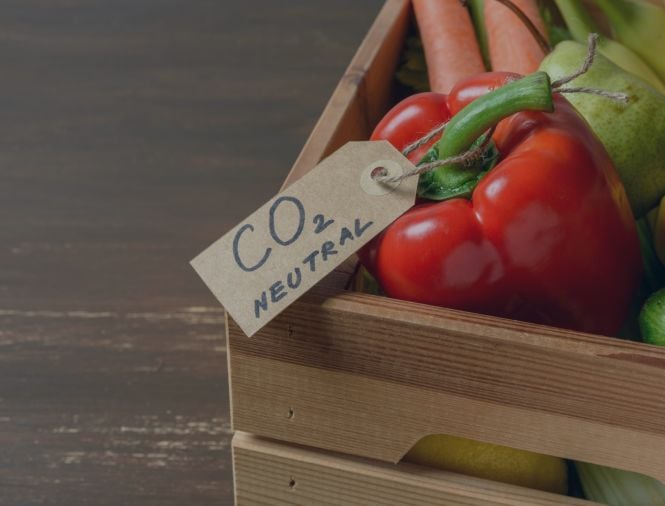 Investing in Food Systems to Address Climate Change2023 Asia Summit Session
 -
 Transitioning to a Food Environment Built for Health2023 Global Conference Session
 -
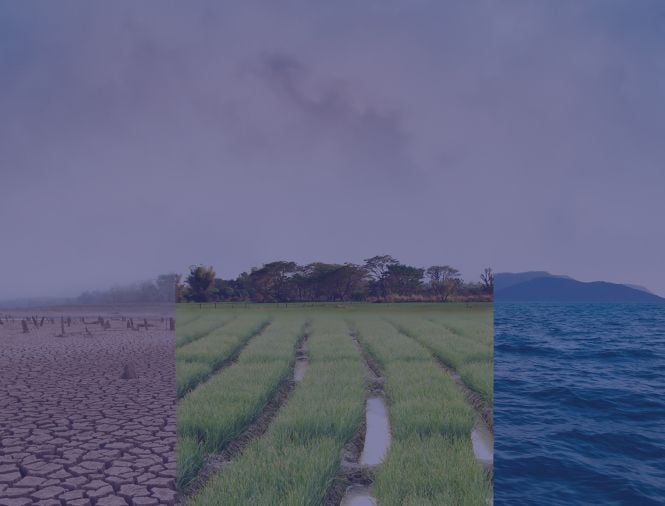 Closing Plenary: The Future of Food and Health Part 2: A Conversation with Secretary of Agriculture Tom Vilsack2022 Future of Health Summit Session
Feeding Change
Our Team
Image

Ayodola Anise
Senior Director, Operations, Milken Institute Health
Image

Holly Freishtat
Senior Director, Feeding Change, Milken Institute Health
Image

Julia Hesse-Fong
Senior Associate, Feeding Change, Milken Institute Health
Image

Brenda Huneycutt
Senior Director, International, Milken Institute Health
Image

Rachel Inman
Senior Associate, Feeding Change
Image

Shiprah Jamshaid
Executive Assistant, Milken Institute Health
Image

Esther Krofah
Executive Vice President, Milken Institute Health
Image

Anna Lin-Schweitzer
Associate Director, Feeding Change, Milken Institute Health
Image

Athena Rae Roesler
Director, Public Health, Milken Institute Health
Image

Erika Stratmann
Director, Communications, Milken Institute Health
CS
Clara Subin
Associate, Feeding Change