Power of Ideas
SHARE
SHARE
Every three seconds, someone in the world develops dementia. By 2050, the number of global cases is expected to more than double. Yet those numbers are hard to reconcile with the intense isolation this disease brings. When you're facing it, it feels as if no one else ever has.
My dad had frontotemporal dementia (FTD), a form of dementia that primarily affects behavior, personality, and language. He died two years ago, nearly a decade after he first started showing symptoms.
In the beginning, none of us knew what was happening. This was not what we thought dementia looked like. His memory was fine. He was still brilliant and kind. But to those who knew him best, something was off: subtle behavior changes, fading interest in the things and people he loved, and uncharacteristic decisions.
Public awareness is not a nice-to-have complement to the science, but an essential upstream investment.
After months of confusion, appointments, and a misdiagnosis of Alzheimer’s, we were finally told he had FTD. There was no treatment, but the diagnosis empowered us to act. We enrolled him in research studies, hired knowledgeable caregivers, connected with families facing a similar journey, and even arranged to donate his brain to scientific research. He lived six more comfortable, happy years.
We were lucky. An estimated 75 percent of dementia cases worldwide go undiagnosed. And it’s not surprising. Our months-long path to an answer was remarkably fast compared to what most families go through. FTD, on average, takes three to four years to get diagnosed correctly, if ever.
Why is the journey so difficult? Three barriers stand out.
The first is resignation to the status quo. In many communities, dementia is met with fear and stigma; it's dismissed as an inevitable part of getting older, something to accept rather than diagnose. But it isn't normal aging. On my dad's brain scans, the degeneration was shockingly visible.
Dementia is biological—an organ failing like any other—and it deserves to be diagnosed and treated that way. If you had cancer, you wouldn't stop with that umbrella diagnosis. You'd want to know which type, see a specialist, and learn about treatments and clinical trials. “Dementia” is also an umbrella term, and we should expect the same specificity.
The second is the unexpected signs. Early symptoms of FTD often don't match the public narrative that dementia is simply memory loss. Families write them off—it’s just stress, just a midlife crisis, just a few bad days. Patients end up in therapists’ offices, psychiatric wards, even jails—anywhere but the neurologist's office where they belong.
The third is navigating the medical system and getting seen by the right type of doctor. Families who suspect something is wrong must not only convince their loved one to see a doctor, but also find one equipped to recognize complex, overlapping conditions. Waitlists for specialized neurologists can stretch nearly a year, making it easy to get lost in the system.
Still, there is real reason for hope. New diagnostic tools, cutting-edge research, and artificial intelligence are advancing enough to finally understand the complexities of the human brain and its diseases. We are proud to have supported over $12 million in science funding, including an early-stage FTD research program designed and administered in partnership with the Milken Institute. But science can only do its job when patients are diagnosed early enough to benefit from care and take part in research.
Public awareness is not a nice-to-have complement to the science, but an essential upstream investment. It's a lever that empowers families like mine to address all three barriers.
Alongside support for films and creative productions, our foundation’s awareness work is anchored by Beyond Memory, a campaign that addresses dementia misconceptions head-on. It helps people recognize lesser-known symptoms and equips families to advocate for answers. Earlier diagnosis brings earlier connection to support. Today, that may mean research and clinical trials, but perhaps someday soon, approved treatments.
Changing a cultural narrative is slow work, but it starts with small seeds growing into collective voices. I hope that in my lifetime, we'll manage dementia like any other disease: Find it early, name it, and treat it. Until then, no family should ever feel like they’re the first to face it.
SHARE
Related Content
-

Age Is Not a Diagnosis
My father was 73 when doctors started explaining away his abdominal pain. First pancreatitis, then inflamed mesentery.Read Essay -
The Future of Aging and Longevity: A Decade of Progress, A Decade to Act
What will it take to make longer lives better lives for everyone?Read Report -
Mind the Gap: Investing in Dementia as an Opportunity to Extend Healthspan
We are living through an age of remarkable longevity. Globally, the number of people aged 60 and over is projected to double in the next 25 years. But this longevity boom masks a critical problem: the growing gap between lifespan and...Read Report
 CP
-
Improving Early Detection of Cognitive Impairment and Dementia
The prevalence of mild cognitive impairment (MCI) and dementia is increasing as advancements in medicine, public health, and living standards extend human lifespans. Approximately 12–18 percent of Americans aged 60 and older have MCI, and...Read Report
SM
KP
-

Sarah Lenz Lock, JD - Stories from the Field
Sarah Lenz Lock, JD Senior Vice President, Policy & Brain Health and Executive Director, Global Council on Brain Health, AARP 1. You are a Steering Committee member of the Milken Institute Alliance to Improve Dementia Care. Describe the...Read Article -
David B. Reuben - Stories from the Field
Q & A with David B. Reuben, MD Director, Multicampus Program in Geriatric Medicine and Gerontology, Chief, Division of Geriatrics, University of California, Los Angeles You are a member of the Milken Institute Alliance to Improve Dementia...Read Article -
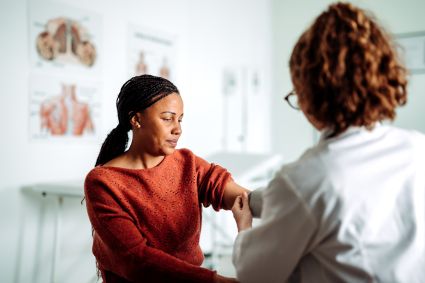
Women’s Brain Health: The Health Care We Need Starts Before Disease
When we talk about making better health accessible to more people, we usually mean better doctors, better diagnostics, and better treatments. But access to better health must also mean access to prevention: the opportunity to protect our...Read Essay -
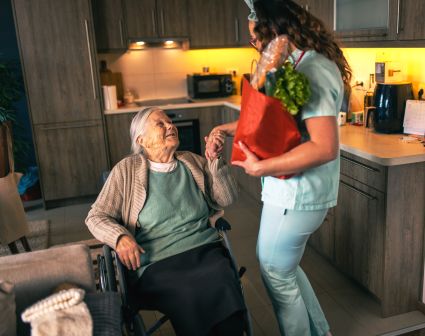
Better Health-Care Access Begins at Home
My mother cared for me. Now I care for her. When she fell, she spent several days in the hospital, resulting in bills that were more than $100,000.Read Essay -
Advancing Blood-Based Biomarkers for Alzheimer's and Cognitive Care
For the first time in health care's long search for answers on Alzheimer's disease, we have two reasons for hope: simple, accurate diagnostics and approved treatments that slow progression.Read Report