

Geo-Economics, Climate Resilience, and AI
US International Development Finance Corporation Reauthorization
The Geo-Economics Initiative (GEO) helps government, businesses, and community leaders navigate a new era of economic and policy disruption within the areas of climate adaptation, supply chain resilience, and navigating emerging technologies. GEO develops and implements solutions through conducting innovative research, convening key stakeholders, and mobilizing capital.
Download Information on Our Advanced Technologies Initiative
Initiative Areas
-
Climate ResilienceThe race to decarbonize the global economy depends on the success of efforts to unlock and mobilize trillions of dollars to finance climate mitigation and adaptation, especially for the countries and populations most vulnerable to the effects of climate change. This initiative is partnering with stakeholders at the local, national, and global levels to build innovative mechanisms to accelerate public, private, and philanthropic climate investment at scale. -
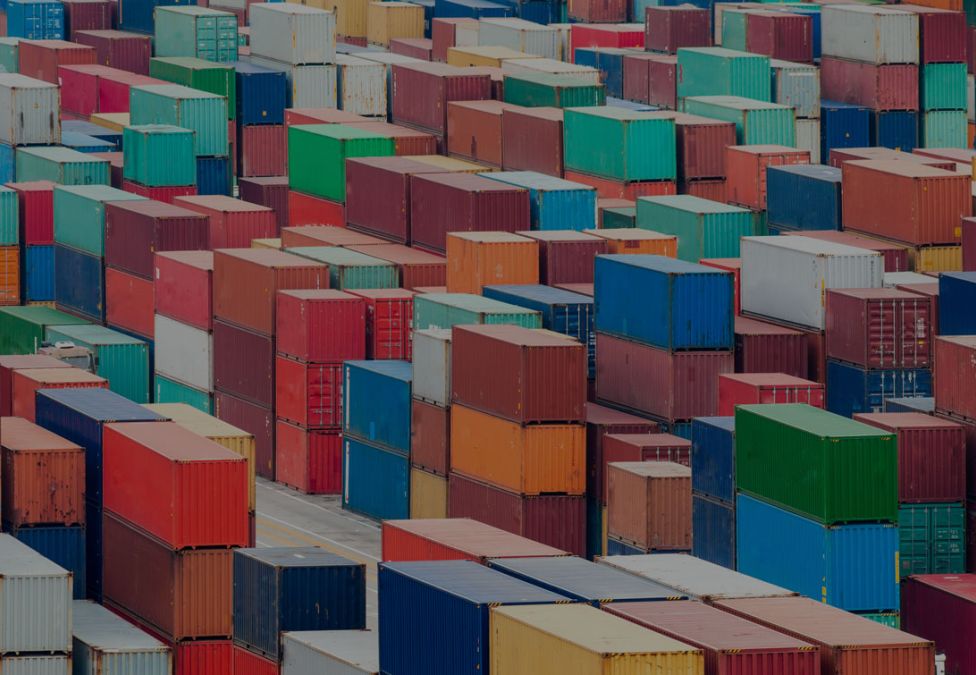
Rewiring Supply ChainsIn an era of increasing geopolitical tensions, economic uncertainty, and evolving labor and environmental standards, businesses and policy leaders are without clear guidance on how to create long-term supply chain resilience in a way that minimizes the impact of these disruptions. The Geo-Economics Initiative creates solutions to this complex global issue by providing a new supply chain resilience framework to help business leaders, policymakers, and other stakeholders navigate the rapidly evolving intersection between international trade, local economic needs, and national and global regulatory landscapes. -
Tech and InnovationEmerging technology promises enormous disruptions and opportunities for government leaders, NGOs, companies, and the public overall. The potential for technology to unlock societal advancement provides hope for its uses, while its ability to further inequality and polarization creates fear. Many business leaders and stakeholders feel stuck when trying to navigate this tension and struggle to make strategic, long-term decisions around technology. The Milken Institute provides strategic guidance on navigating technology disruptions through thought leadership, convening stakeholders, and bolstering resilient solutions that foster innovations in technology.
Geo-Economics, Climate Resilience, and AI

Most Recent Content
-

As COP30 Convenes, New Research Shows Path for Climate Investor Action: Lead with Economic Benefits, Not Crisis
Milken Institute-Harris Poll research of 7,000+ people globally finds investment appetite remains strong but requires reframing around local solutions and economic opportunity Belém, Brazil (November 9, 2025)—A new global study released...Read ArticleBelém, Brazil (November 9, 2025)—A new global study released today ahead of COP30 by the Milken Institute and The Harris Poll reveals that while 95 percent of people worldwide believe climate change...

LR
-
Milken Institute Announces Tech Hub Partners Program to Link Business Leaders and Investors to Regional Tech Innovation Opportunities
July 23, 2024 (Washington, DC)—The Milken Institute announced today the development of a Tech Hub Partners program to strengthen the network of 31 Regional Innovation and Technology Hubs (Tech Hubs) across the US to link business leaders...Read Article -
Milken Institute and California State Treasurer Highlight Ways Green Bonds Can Help Close Multi-Trillion Dollar Financing Gap to Repair U.S. Infrastructure
LOS ANGELES, August 7, 2018 – The challenge of fixing America’s deteriorating infrastructure and making it more resilient to the effects of extreme weather and climate change underscores the need for a more robust green bond market...Read Article
Milken Institute Review Article, "Needed: A Mid-Course Correction for the Paris Agreement"
It’s no secret that this year’s COP is struggling to find a path that that balances the needs of developing nations to stay afloat and fosters new pathways to close the global capital deployment gap. Pivoting the Paris Agreement to focus more on resilience and adaptation would catalyze positive momentum and deal more effectively with growing despair that we are falling far short of the mark. This is decidedly not about abandoning the goal of keeping global temperature increases to 1.5 degrees Celsius. It’s all about finding the money to meet the Paris goals in a newly adaptive way.

Our Team

Matthew Aleshire

Victoria Barbary
Dan Carol

Aimée Christensen

Rachel Fox Smothermon

Karen Kornbluh
For More Information
To learn more about our GEO work, please contact Rachel Fox Smothermon at [email protected].