


Stories from the Field

SHARE
SHARE
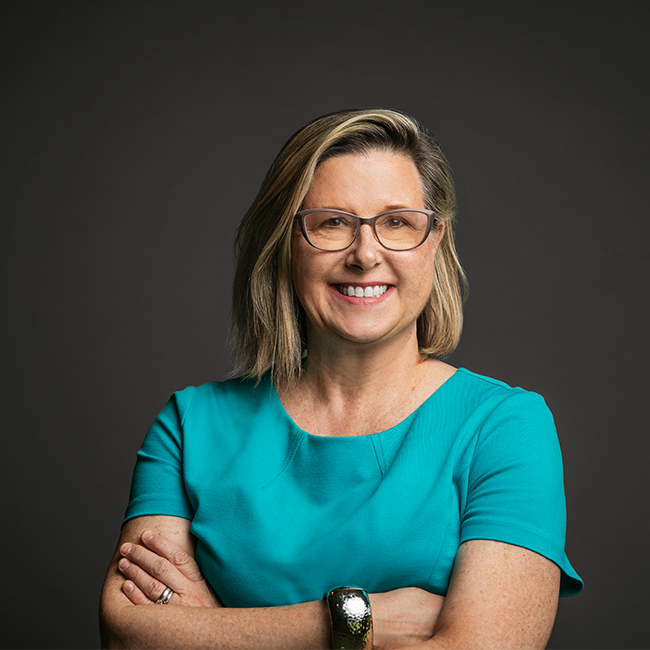
When you envision the future of public health, what innovations or solutions are you most excited about?
I am most excited about innovations that allow us to move public health further upstream, from treating disease to preventing it before it occurs. Advances in data science, artificial intelligence, digital health, and precision prevention have enormous potential to help us identify risk earlier, better understand the social and environmental drivers of health, and tailor interventions to the needs of individuals and communities. At the same time, innovation should not be defined by technology alone. Some of the most transformative solutions will come from strengthening the fundamentals of public health: accessible primary care, healthier communities, effective prevention programs, and systems that make the healthy choice the easier choice. My experience in both medicine and public health has reinforced that the greatest opportunity lies in connecting these approaches, using innovation to strengthen rather than replace the public health infrastructure that communities depend upon.
Drawing on your expertise in public health at the state and national levels, what impact do you hope your work as part of the Milken Institute Public Health Advisory Board will have on chronic disease prevention, public health systems, and the broader public health field?
I hope to help advance a more prevention-oriented, integrated, and outcomes-driven approach to public health. Chronic diseases account for a substantial share of illness, disability, and health care spending, yet many of their risk factors are modifiable and influenced by policies and systems beyond the health care sector. I hope to bring the perspective of someone who has worked across medicine and public health, as well as at both state and national levels, to help translate evidence into practical strategies that can be implemented at scale.
As a member of the Advisory Board, I hope to contribute to strengthening public health systems, accelerating the adoption of effective prevention strategies, and building stronger connections between public health, health care, business, philanthropy, and communities. The Milken Institute is masterful at convening the private sector. Ultimately, I want our work to help create healthier environments and more effective systems that prevent disease and deliver measurable improvements in population health.
Public health challenges are increasingly complex and interconnected. What role do cross-industry collaborations, like the Milken Institute’s Public Health Advisory Board, play in advancing public health?
The complexity of today's public health challenges makes collaboration essential. The conditions that shape health—where people live, work, learn, and age—extend far beyond the traditional health sector. Addressing chronic disease, mental health, environmental health, and emerging threats requires perspectives and resources from government, health care, business, technology, academia, philanthropy, and, critically, communities themselves.
Cross-industry collaborations can bridge those traditionally separate perspectives, identify opportunities that no single sector could address alone, and accelerate the translation of ideas into action. They also create an opportunity to align incentives around a shared goal: improving health and well-being. I see the Advisory Board as a platform for bringing diverse expertise together, challenging conventional approaches, and developing solutions that are innovative as well as being practical enough to achieve meaningful impact at scale.
What advice would you give to someone starting a career in public health?
Be curious, stay close to the people and communities you hope to serve, and do not be afraid to work across disciplines or sectors. Public health is most effective when we combine rigorous evidence with an understanding of how policies, systems, and lived experiences shape health.
I would also encourage emerging public health professionals to seek experiences that span both strategy and implementation. Learn how to interpret evidence, communicate with different audiences, build partnerships, and turn good ideas into action that can be measured. Most importantly, remember that public health is ultimately about people. The work can be complex, and progress can be slow, but the opportunity to prevent illness, improve systems, and create healthier communities is extraordinarily meaningful. Approach the field with humility, persistence, and a willingness to keep learning.
SHARE
Related Content
-

Employers Investing in Women: Advancing Business, Employees, and Communities
Women represent 47 percent of the US workforce and contribute 37 percent to the global gross domestic product, yet data show that women’s health continues to face significant underinvestment across many disease conditions that affect women...Read Report


-

Strengthening the US-Mexico Pharmaceutical Supply Chain
The pharmaceutical supply chain is an intricate, interconnected system that plays a crucial role in ensuring communities and individuals have timely access to medicines.Read Report

-

Public Health Pathways for Vision Loss Prevention
As noncommunicable disease rates climb worldwide, vision loss remains an underrecognized but pressing public health challenge. Diabetes, hypertension, and cardiovascular disease can lead to serious eye conditions, while vision impairment...Read Report
-

Advancing Health Through Expanded Access to Pharmacy-Based Care
As the health system evolves to meet rising demand while grappling with workforce shortages, pharmacies are well-positioned to play a greater role in delivering high-quality, community-based care.Read Report


-

The Milken Institute 2025 Global Conference Convenes World Leaders, Visionaries, and Innovators in Los Angeles Beginning May 4
The Milken Institute’s 28th annual Global Conference opens today and runs through May 7, 2025, at the Beverly Hilton in Los Angeles. Under the theme Toward a Flourishing Future, the conference will gather 1,000 speakers and 5,000 attendees...Read ArticleImage
Chad Clinton
Director, Media RelationsChad Clinton is the director of media relations for the Milken Institute. Hired to this role in August 2021, Clinton develops and executes strategies to amplify the Institute’s core messages by generating coverage of its pillar workstreams, experts, and events. -

Modernizing Care for Obesity as a Chronic Disease: A How-To Guide for Employers
As a country, we face an urgent need to develop and implement public health and health-care strategies that recognize obesity as a chronic disease, address disparities in multifaceted care, focus on person-centered solutions, and eliminate...Read Report


-

Employer Investments in Digital, Whole-Person Health for Substance Use Disorders
Employers seek to support their employees while normalizing a whole-person approach to substance use disorders (SUD). The response to addiction and the opioid crisis requires a whole-of-society approach, including employers of all sizes...Read Report

-

Key Trends in Health at Milken Institute Global Conference 2023
The 26th annual Milken Institute Global Conference convened the best minds in the world to tackle its most urgent challenges and realize its most exciting opportunities. Throughout the four-day event, our health teams curated nearly three...Read Report -

Understanding and Identifying Gaps in Employer Mental Health Resources
About 60 million Americans live with mental health conditions, and nearly half of those go without treatment. The COVID-19 pandemic widened the gap between employers and employees on mental health in the workplace. In 2021, 80 percent of...Read Report