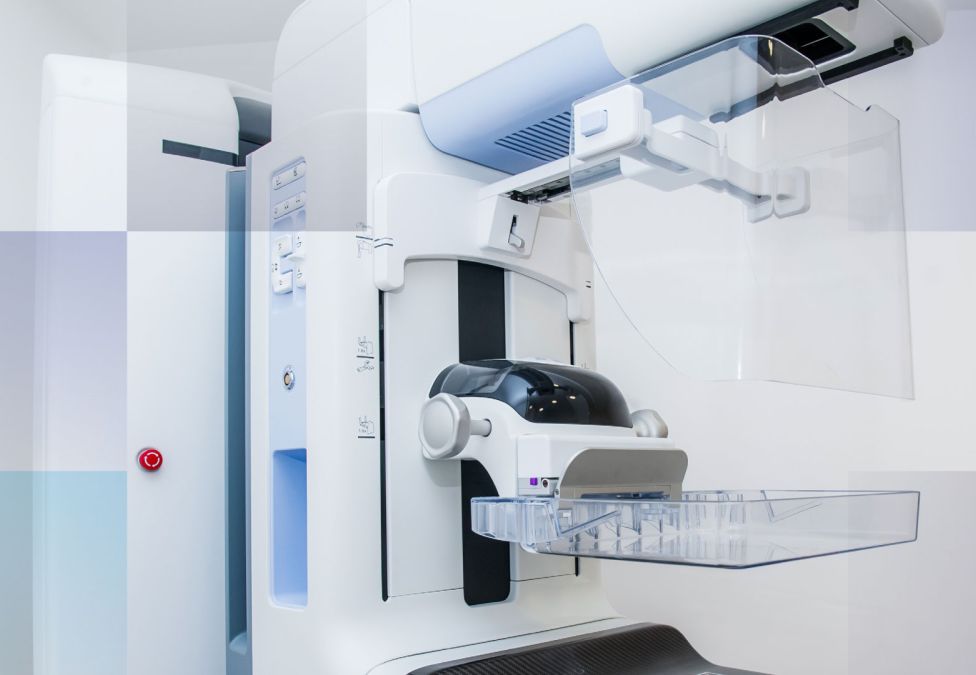
There is considerable variation in mammography deployment, utilization, and breast cancer detection across the United States. While some areas have a high density of mammography resources—and a corresponding high rate of breast cancer screening and detection—other areas have far fewer resources and, in turn, lower screening and detection rates.
This report uses the location of every mammogram machine in the United States to quantify the geographic distribution of mammography, assess how its deployment corresponds to county-level breast cancer incidence, and provide evidence to guide more equitable investment and resource allocation for women’s preventive health services.

Abigail Humphreys, PhD
Bumyang Kim, PhD
Katherine Sacks, PhD
Related Content
-
A World Reshaped by Disruption. A Conference Built to Respond
The Milken Institute convenes its 29th annual Global Conference in Los Angeles, May 3–6Read ArticleImage
Chad Clinton
Director, Media RelationsChad Clinton is the director of media relations for the Milken Institute. Hired to this role in August 2021, Clinton develops and executes strategies to amplify the Institute’s core messages by generating coverage of its pillar workstreams, experts, and events. -
Milken Institute’s 2026 Global Conference Convenes Changemakers in Los Angeles, May 3–6
At a defining moment for international stability, leaders will focus on solutions through open dialogue and cross-sector collaboration.Read ArticleImage
Chad Clinton
Director, Media RelationsChad Clinton is the director of media relations for the Milken Institute. Hired to this role in August 2021, Clinton develops and executes strategies to amplify the Institute’s core messages by generating coverage of its pillar workstreams, experts, and events. -
Integrating Women’s Health: From Fragmented Systems to Connected Care
The Milken Institute Women’s Health Network bridges gaps in innovation and health care in areas that impact women exclusively, differentially, or disproportionately.Read ArticleImage
Jenica Patterson, PhD
Senior Director, Women’s Health Network, Milken Institute HealthJenica Patterson, PhD, is the senior director of the Women’s Health Network within the Health pillar at the Milken Institute, where she leads a global initiative to accelerate innovation, investment, and cross-sector collaboration in women’s health. In this role, Patterson brings together leaders across science, industry, philanthropy, and finance to advance emerging solutions and strengthen the ecosystem needed to bring women’s health innovations to market and scale. -
What We Heard at the Future of Health in Asia
The 12th annual Milken Institute Asia Summit in Singapore convened global leaders transforming business, finance, government, health care, technology, and philanthropy to discuss critical topics of importance within the Asia-Pacific region...Read ArticleThe 12th annual Milken Institute Asia Summit in Singapore convened global leaders transforming business, finance, government, health care, technology, and philanthropy to discuss critical topics of...
Image
Brenda HuneycuttFormerly Milken Institute -
The Milken Institute 2025 Global Conference Convenes World Leaders, Visionaries, and Innovators in Los Angeles Beginning May 4
The Milken Institute’s 28th annual Global Conference opens today and runs through May 7, 2025, at the Beverly Hilton in Los Angeles. Under the theme Toward a Flourishing Future, the conference will gather 1,000 speakers and 5,000 attendees...Read ArticleImage
Chad Clinton
Director, Media RelationsChad Clinton is the director of media relations for the Milken Institute. Hired to this role in August 2021, Clinton develops and executes strategies to amplify the Institute’s core messages by generating coverage of its pillar workstreams, experts, and events. -
The Collective Impact of Women on Health Innovation
In 2018, when we launched the first women’s health venture capital fund, I was told there were no women’s health companies, only women’s health products, and few real innovations—or returns—would ever come in women’s health. Today, women’s...Read Essay -
How Workplaces Play an Important Role in Women's Health
In 2015, I decided to freeze my eggs. As a healthy 30-something woman, I thought I was taking a proactive step while I figured out my future. However, during my first consultation for the procedure, I received news I wasn’t prepared for: I...Read Essay -
Advancing Blood-Based Biomarkers for Alzheimer's and Cognitive Care
For the first time in health care's long search for answers on Alzheimer's disease, we have two reasons for hope: simple, accurate diagnostics and approved treatments that slow progression.Read Report
-
Stories from the Field: Uché Blackstock
Q: You recently moderated a panel on the economic case for health equity at the Milken Institute Global Conference. What stood out most to you from the conversation?Read Article