
Launching and Leading Scientific Funding Programs
Featured Reports
-
 Infrastructure, Readiness, and Resilience: A Long-Term, Biomedical Systems-Based Response to COVID-19This report from SPARC identifies four main areas ripe for greater—and more efficient—philanthropic investment: (1) Accelerating Product Development; (2) Clinical Trial Design and Execution; (3) Research Collaboration; and (4) Racial and Ethnic Disparities in Health-Care and Medicine.
 -
 The Value of Building an Interdisciplinary Scientific Workforce — A Call to PhilanthropyInterdisciplinary research drives this innovation by bringing together the perspectives, expertise, data, and tools of multiple scientific fields, uniting them toward a common outcome. Interdisciplinary science can have its own challenges, however, and therefore requires intentional support. This guide by SPARC explores how philanthropy can promote interdisciplinary science and foster innovation and collaboration, specifically via scientific fellowships, and lead the way to a better world.
 -
 Nonprofits: A Growing Force in Drug DevelopmentIn this paper, we explore the multitude of methods that nonprofits use to support the translational drug development process in addition to when and where these models are most appropriate. To do so, we discuss several barriers to the translation of scientific discoveries to clinic-ready therapeutics and how nonprofits use their unique approaches to overcome these barriers.
 -
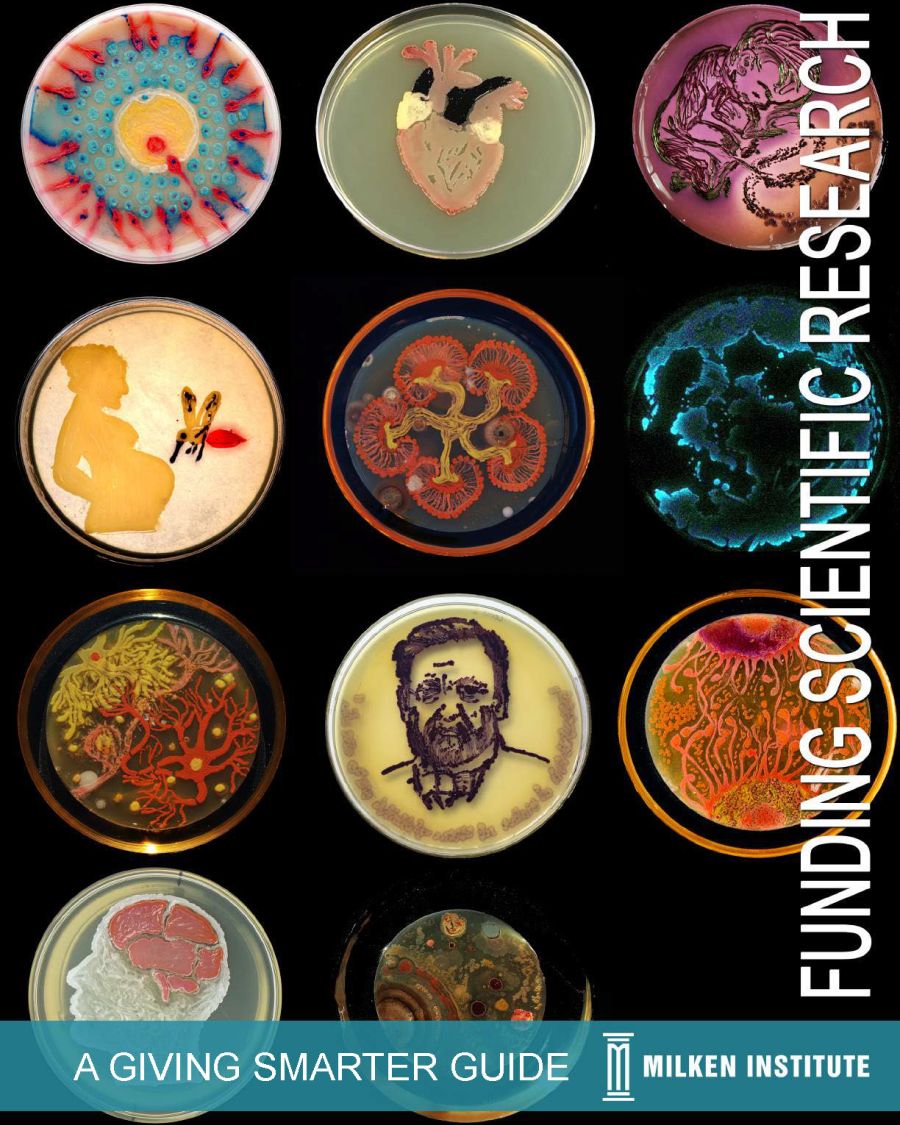 Funding Scientific Research - A Giving Smarter GuideThis Giving Smarter Guide is structured to provide points of entry into the pathway of funding scientific research primarily conducted in an academic or medical setting. Written for individual philanthropists and foundations who may be new to scientific research, this report will walk you through the process with a series of questions and key takeaways.