


Stories from the Field

SHARE
SHARE
What inspired you to focus your work on women’s health?
My interest in women’s health began in medical school, when I planned to specialize in gynecology and reproductive endocrinology before shifting my focus to cancer.
First, my mother had an incredible impact on me. She navigated the intersection of traditional male and female roles while leading our family and supporting my father’s demanding career in academic administration. An exceptional draftsman, respected industrial arts teacher, and committed community member, she also shouldered much of the work that kept our family functioning. Her example taught me that women are remarkably powerful, even when their contributions are overlooked, including in health care.
Second, women’s health issues are too often misdiagnosed, overlooked, or downplayed. In cancer, women under 50 are diagnosed at significantly higher rates than men of the same age, largely due to increases in breast and thyroid cancers. Yet public attention has focused primarily on early-onset colon cancer. This disparity has driven my commitment to raising awareness of early-onset cancers across the continuum.
Furthermore, systemic inequities contribute to higher mortality rates and later-stage diagnoses of breast and gynecologic cancers among some women. Women in rural and economically disadvantaged communities often face delayed diagnoses and poorer outcomes due to limited access to specialized care, transportation challenges, and other barriers to care.
Finally, as a woman leader and physician-scientist, I’ve seen how underrepresented and underrecognized women physicians can be across health care. Early female mentors, alongside male mentors, helped shape my path and model success. As a leader, I feel a responsibility to support the next generation of talent and pay that mentorship forward.
What women’s health challenge is your organization working to address, and what approaches have you implemented to help alleviate this challenge?
Breast cancer is the most common cancer affecting women, making it a central focus of our work. Through the Stefanie Spielman Center, we provide comprehensive care and support research across the lifespan, with programs such as Building Research, Innovation, and care Delivery for Groups with young adult and Early-onset cancer and a geriatric assessment center for older patients. We also lead innovative research and clinical trials in ovarian, cervical, and uterine cancers, helping improve survival outcomes.
For example, we have seen a great increase in the occurrences of lung cancers among nonsmoking, young women. Today, nearly 20 percent of all lung cancer cases are seen in nonsmokers, and they are mostly women. Because all cancers are unique (among other reasons), it’s hard to pinpoint the exact cause of this trend. Possible contributors include radon levels in the home, air pollution, and genetic mutations.
Expanding access to innovative care and clinical trials for rural and underserved populations is central to our mission. To help close the gap between innovation and accessibility, we launched the Ohio State University Comprehensive Cancer Center–James Mobile Lung Screening Unit in 2025, bringing low-dose computed tomography scans directly to communities across Ohio and helping connect patients to earlier detection and treatment.
How has collaboration with the Milken Institute Women’s Health Network supported or accelerated your work?
The more we communicate and collaborate on these issues, the greater our impact can be. I recently had the opportunity to exchange experiences and discuss shared challenges with experts across disciplines. I gained valuable insights into fertility preservation resources and connected with leaders in fields, highlighting the importance of cross-sector collaboration in advancing women’s health.
Women’s health is an area that benefits from diverse perspectives and expertise. When organizations and leaders with the capacity to drive change come together, we can do more than make incremental progress. We can reshape the conversation, accelerate innovation, and create meaningful improvements in care and outcomes.
What opportunities remain in this area to drive progress, and how do you see the Women’s Health Network supporting those efforts?
The Women’s Health Network combines community strength with the Milken Institute’s convening power to drive meaningful change. Just as the Institute has helped transform the prostate cancer landscape, it can accelerate progress across women’s health by advancing conversations around risk, personalization, access, and care.
Achieving that progress requires investment in the relationships, resources, and communication that connect discoveries to communities. Women’s health is a national priority, and meaningful action today will improve outcomes for women, families, and future generations.
SHARE
Related Content
-

Milken Institute Women’s Health Network Expands Steering Committee to Drive Women’s Health Forward
The 2026 Steering Committee will strengthen the Network's efforts to close gaps in women's health investment, research, and innovation Washington, DC (September 29, 2026)—The Milken Institute's Women’s Health Network today announced its...Read ArticleImage
Sam Roth
Associate Director, Media RelationsSam Roth is the associate director of media relations for the Milken Institute. Based out of the Washington, DC, office, she oversees media coverage for the Health and Strategic Philanthropy pillars. -

Stories from the Field: Karishma Patel
What inspired you to focus your work on women’s health? Before Ema, I was running a direct-to-consumer platform for women navigating their health. And I kept watching the same thing happen.Read Article -

Coverage and Reimbursement Roadmap for Women’s Health Innovation
Women's health has long been underserved by a coverage system built around inadequate research, insufficient billing codes, and payers that have been slow to recognize conditions that affect women exclusively, differentially, or...View Research


-

A World Reshaped by Disruption. A Conference Built to Respond
The Milken Institute convenes its 29th annual Global Conference in Los Angeles, May 3–6Read ArticleImage
Chad Clinton
Director, Media RelationsChad Clinton is the director of media relations for the Milken Institute. Hired to this role in August 2021, Clinton develops and executes strategies to amplify the Institute’s core messages by generating coverage of its pillar workstreams, experts, and events. -

Milken Institute’s 2026 Global Conference Convenes Changemakers in Los Angeles, May 3–6
At a defining moment for international stability, leaders will focus on solutions through open dialogue and cross-sector collaboration.Read ArticleImage
Chad Clinton
Director, Media RelationsChad Clinton is the director of media relations for the Milken Institute. Hired to this role in August 2021, Clinton develops and executes strategies to amplify the Institute’s core messages by generating coverage of its pillar workstreams, experts, and events. -

Integrating Women’s Health: From Fragmented Systems to Connected Care
The Milken Institute Women’s Health Network bridges gaps in innovation and health care in areas that impact women exclusively, differentially, or disproportionately.Read ArticleImage
Jenica Patterson, PhD
Senior Director, Women’s Health Network, Milken Institute HealthJenica Patterson, PhD, is the senior director of the Women’s Health Network within the Health pillar at the Milken Institute, where she leads a global initiative to accelerate innovation, investment, and cross-sector collaboration in women’s health. In this role, Patterson brings together leaders across science, industry, philanthropy, and finance to advance emerging solutions and strengthen the ecosystem needed to bring women’s health innovations to market and scale. -

What We Heard at the Future of Health in Asia
The 12th annual Milken Institute Asia Summit in Singapore convened global leaders transforming business, finance, government, health care, technology, and philanthropy to discuss critical topics of importance within the Asia-Pacific region...Read ArticleThe 12th annual Milken Institute Asia Summit in Singapore convened global leaders transforming business, finance, government, health care, technology, and philanthropy to discuss critical topics of...
Image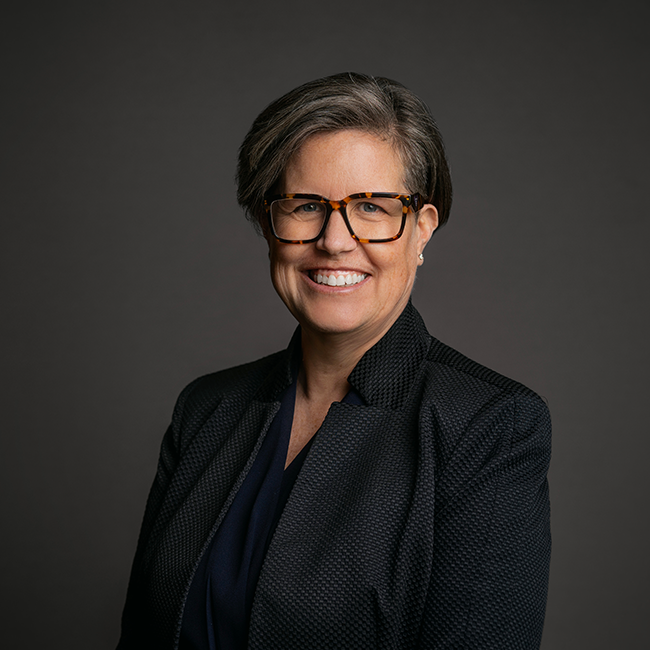 Brenda HuneycuttFormerly Milken Institute
 -

Opportunities for Local Mammography Deployment
There is considerable variation in mammography deployment, utilization, and breast cancer detection across the United States.View Research
 AP
AP
-

The Milken Institute 2025 Global Conference Convenes World Leaders, Visionaries, and Innovators in Los Angeles Beginning May 4
The Milken Institute’s 28th annual Global Conference opens today and runs through May 7, 2025, at the Beverly Hilton in Los Angeles. Under the theme Toward a Flourishing Future, the conference will gather 1,000 speakers and 5,000 attendees...Read ArticleImage
Chad Clinton
Director, Media RelationsChad Clinton is the director of media relations for the Milken Institute. Hired to this role in August 2021, Clinton develops and executes strategies to amplify the Institute’s core messages by generating coverage of its pillar workstreams, experts, and events.