Power of Ideas
SHARE
SHARE
Consider what getting care can demand of a family. A single mother with cancer may need to arrange for someone to pick up her children during weekly infusions. Each follow-up visit can mean missed work and less money for groceries. A teacher in rural South Dakota may face a long drive and a day away from his classroom for a colon cancer screening—and decide to put it off.
What we do will not change. How we do our work must.
How do we make better health accessible to more people when the way we deliver care asks so much of those who need it?
What we do will not change. How we do our work must. Nonprofit health systems have an obligation to ensure access to high-quality care regardless of where people live, their ability to pay or their insurance status. Fulfilling that obligation requires us to redesign care around patients rather than institutions, meeting people where they are—from rural communities to urban neighborhoods—and connecting them with the care they need, when they need it. That takes practical innovation, greater affordability, and sustained collaboration.
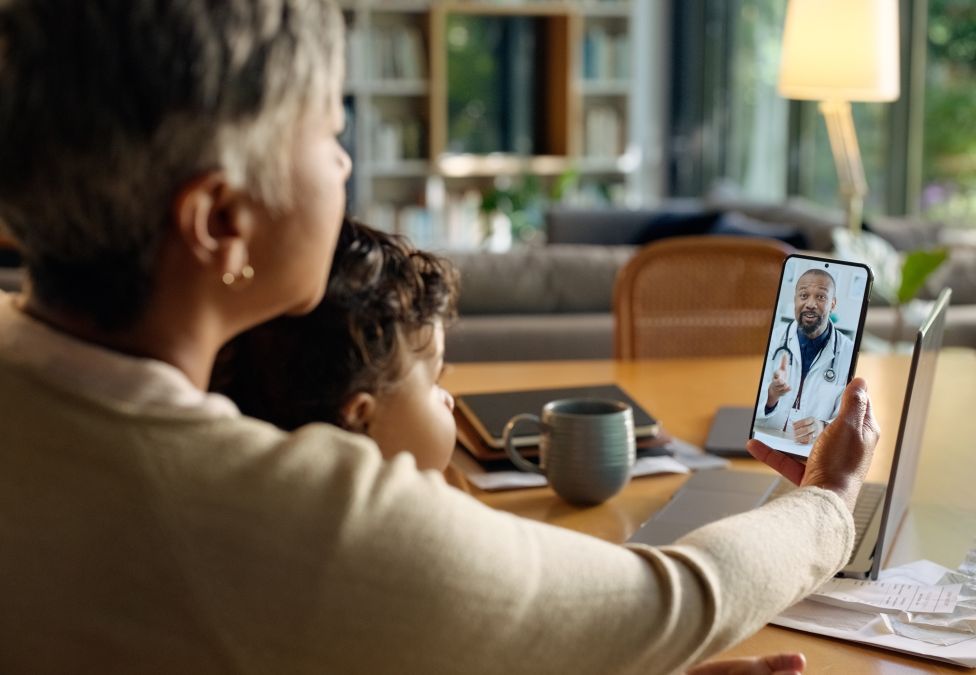
Innovation should solve real problems for patients. The mother still needs to travel for infusions, but some follow-ups could be virtual. The teacher may have other screening options. A conversation with his clinician and simpler scheduling could help him complete a test before symptoms appear.
Connecting local teams with specialists brings care closer to home. A patient with diabetes can complete lab work locally, then meet virtually with a specialist while a nurse assists. Parents can bring a child with cystic fibrosis to a nearby clinic, where a specialist hundreds of miles away listens to the child’s lungs and reviews breathing tests.
Technology can also help identify needs earlier. A virtual postpartum visit lets a clinician see how a mother and baby are doing at home, including needs that might not surface in an exam room. An AI tool can flag someone at elevated risk for colon cancer and prompt a screening conversation, creating an opportunity to find and remove precancerous polyps.
The measure of these tools is whether they remove barriers, help patients get care sooner, and give clinicians better ways to deliver care.
Making care easier to access matters for a family’s finances, too.
Affordability requires us to address the full cost of getting care. More than one in three adults say they have skipped or postponed needed care because of cost. Fuel, childcare, and missed work add to medical bills. Bringing care closer can reduce those costs. Helping people complete screenings and manage chronic conditions can improve health and reduce the need for intensive care later.
We must be candid about the bigger challenge. The United States provides some of the best health care in the world, but the way we finance it is complex and broken, making that care unaffordable for too many families. Health systems can proactively identify patients eligible for financial assistance, help them understand coverage options, and invest in prevention. But hospitals cannot solve affordability alone. Insurers, employers, drug manufacturers, policymakers, and providers must come to the table to address cost drivers and align care and coverage around better outcomes for patients.
Collaboration can turn better ways of delivering care into lasting change. The challenges facing health care are bigger than any one organization. Rural and urban care teams can share expertise, while community partners address transportation, food, and other needs that affect health.
Advocacy is part of that work. Health care CEOs must engage on policy issues shaping care. Decisions in Washington affect essential services and whether new models of care reach the patients who need them. We have a responsibility to bring elected leaders proposed solutions informed by the experiences of patients.
Leadership in health care is an exercise in stewardship, and stewardship must be measured by what changes for those we serve. It means the mother has a care plan that accounts for the demands on her family. The teacher completes a screening in time to prevent cancer or find it early. More people can stay well and reach the care they need, wherever they live.
What we do will not change. How we work together can change what is possible for the people we serve.
SHARE
Related Content
-

How We Can Give Every Cancer Patient the Best Chance to Survive
The fight against cancer is at a crossroads that can be summed up by two numbers. The first: 70 percent. That is the number of people who, for the first time, are living at least five years after a cancer diagnosis. It reflects the...Read Essay -

Key Trends in Health at the Future of Health Summit 2025
The 2025 Milken Institute Future of Health Summit centered on the theme In Service of Better Health. The event featured more than 200 speakers from diverse sectors and industries, spanning nearly 60 sessions that covered a broad range of...Read Report -

Aging Societies—Opportunities amid Challenges? Part 2
The Milken Institute has partnered with the DBS Foundation in authoring a series of three short papers focused on longevity and population aging. This research is coordinated with the DBS Foundation Impact Beyond Award, which will award S$1...Read ReportImage
Quintus Lim
Associate Director, Asia, Milken Institute InternationalQuintus Lim is an associate director of policy and programs for the International pillar at the Milken Institute. He focuses on policy areas such as R&D financing, technological adoption across domains such as health, food, agriculture, finance, and the broader economy, and issues of ecosystem building. -

Advancing Health Through Expanded Access to Pharmacy-Based Care
As the health system evolves to meet rising demand while grappling with workforce shortages, pharmacies are well-positioned to play a greater role in delivering high-quality, community-based care.Read Report

-

Key Trends in Health at the Future of Health Summit 2024
The 2024 Milken Institute Future of Health Summit centered on the theme Partnering for Better Health. The two-day event featured more than 200 speakers across diverse industries and sectors in more than 50 sessions about innovative...Read Report -

Better Health for All: A New Paradigm for Human Optimization
For most of modern history, we have defined health care by what happens after something goes wrong.Read Essay -

A Better Health-Care System Begins with Trust
I’ve watched our industry move through cycles of innovation, frustration, and reform. When the frustration builds, I understand the instinct to ask whether we’d be better off starting over.Read Essay -

Enabling Access to Clinical Research: An Action Plan for Policy and Practice Change
Joining a clinical trial in the US today is harder than it should be. Governed by dozens of entities, the system has become fragmented and burdensome.Read Report
-

Imperatives for United States Clinical Research Leadership and Coordination
The US spends nearly 18 percent of its GDP on health care, yet life expectancy has barely improved and outcomes trail those of peer nations.Read Report