
In this Newsletter
- Program Updates
- Events and Convening Recaps
- Latest Publications
- Policy Updates
- Thought Leadership
- FasterCures in the Community
- Upcoming Events
Program Updates
Project Prevent Convening Explores Early T1D Screening and Community‑Based Prevention
As part of the Milken Institute Project Prevent, FasterCures convened an invitation-only half-day roundtable in Washington, DC, on January 22, 2026. The discussion focused on early detection and prevention using Type 1 diabetes (T1D) screening and follow-up care as a concrete case study, with an emphasis on strengthening community involvement in preventive care delivery.
Regional clinical and health system leaders examined multiple real-world models for improving preventive care and T1D screening. Participants identified the lack of connective tissue between systems as a key barrier to preventive service delivery. Proposed solutions emphasized scalable, repeatable mechanisms that function as part of an integrated system rather than parallel efforts.
Community health organizations, health information exchange networks, and employer and payer engagement were identified as key components of a scalable T1D screening model. Insights gained from this roundtable will inform the development of an early detection-to-intervention framework for T1D in Maryland.
Future of Cancer Care Project Roundtable
On Friday, March 27, FasterCures hosted the third and final private roundtable for the Future of Cancer Care project, convening stakeholders across the cancer care continuum to examine the use of liquid biopsies in clinical practice.
Through real-world case studies, participants discussed key barriers—including provider awareness, access and reimbursement, workflow integration, and guideline clarity—and identified actionable recommendations to improve adoption, workflow integration, and patient awareness. The second report in the two-part series, exploring how blood-based liquid biopsies are shaping the future of cancer care, will further map out specific, targeted recommendations to address the challenges identified through this project’s research, stakeholder interviews, and roundtable discussions. The final report is anticipated to be released later this year.
Supporting Patient Engagement Across the Medtech R&D Lifecycle
FasterCures hosted a virtual public convening in March focused on advancing practical, scalable approaches to patient engagement across the medtech research and development lifecycle. The interactive session gathered public input on three new FasterCures resources—the Medtech Patient Engagement Toolkit, Case Study Library, and companion how-to guide for the Medtech Patient Engagement Value Framework—and featured real-world examples from medical device companies and patient organizations.
Discussions highlighted how patient engagement can be planned, executed, and measured across early-stage research, clinical and regulatory activities, and post-market phases to improve decision-making and product development. The full suite of resources will be published later this year.
Inside ENRICH‑CT: Spotlight on the Leaders Transforming Community‑Driven Research
To elevate ENRICH‑CT’s impact and share real‑world progress, FasterCures is featuring ENRICH‑CT members in a LinkedIn article series, “Inside ENRICH‑CT: Spotlight on the Leaders Transforming Community‑Driven Research.” The series highlights presenters from ENRICH‑CT convenings and showcases how their organizations are working to bring clinical trials closer to communities, strengthening local research infrastructure, and advancing more inclusive, community‑based research models. Read the latest spotlights:
Embedding Discovery into Practice: Transforming Veteran Care Through the VA’s Cooperative Studies Program, by Ryan Ferguson, Acting Director, Cooperative Studies Program, US Department of Veterans Affairs

Expanding Equitable Access to Clinical Trials Through Community-Embedded Infrastructure, by Kent Thoelke, Chief Executive Officer, Paradigm Health
Events and Convening Recaps
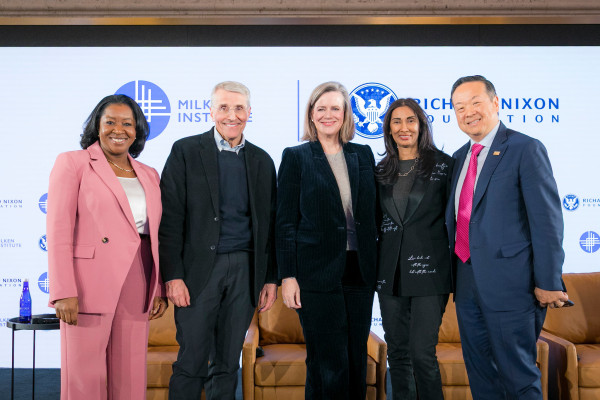
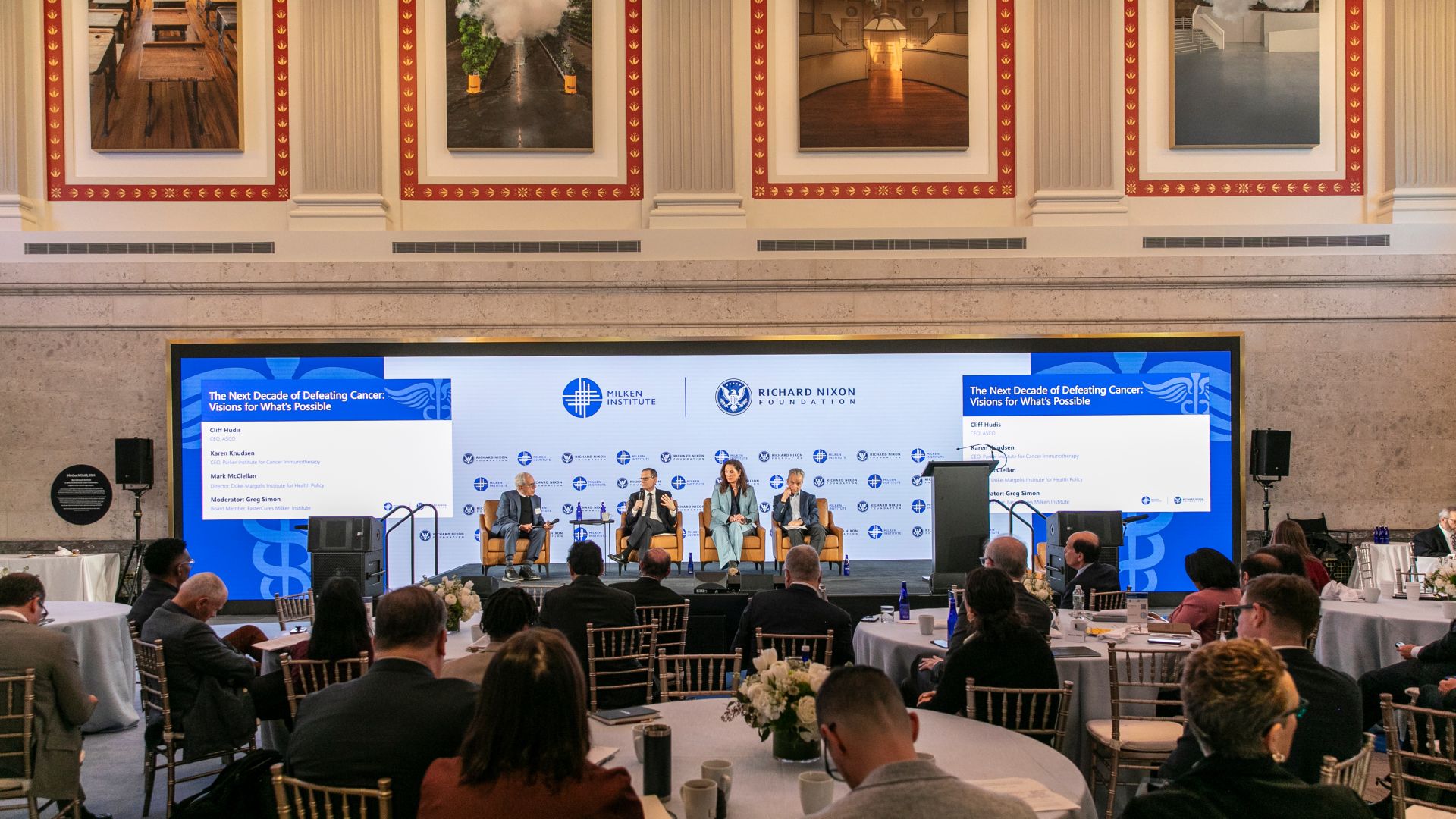
Cancer 2035: A Roadmap for the Future
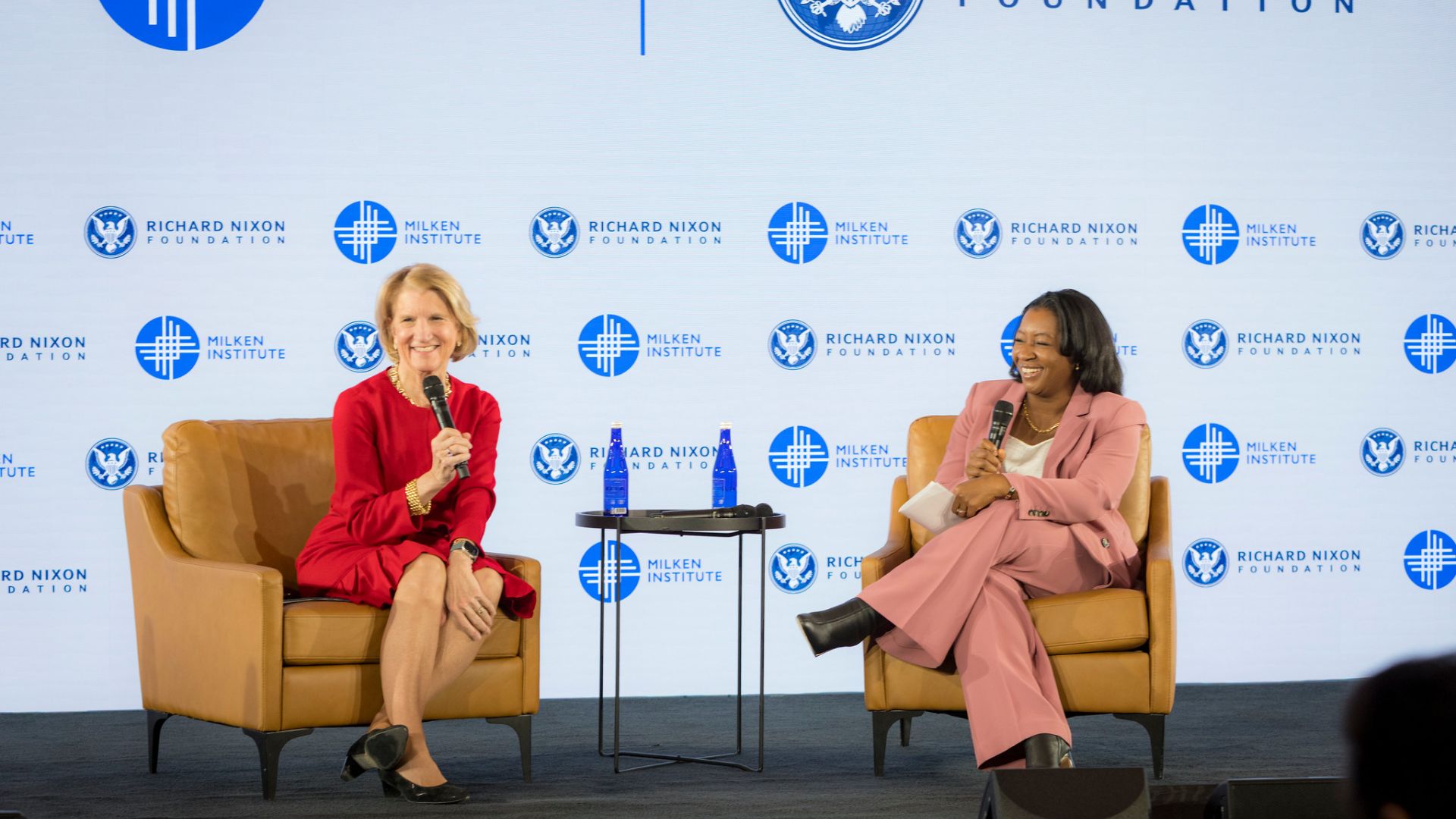
Cohosted by the Milken Institute and the Richard Nixon Foundation, Cancer 2035: A Roadmap for the Future convened leading oncologists, researchers, policymakers, and industry experts to examine how today’s scientific and technological capabilities can shape the next era of cancer progress.
Held February 23–24, 2026, the program explored what it would take—across research, technology, policy, financing, and care delivery—to substantially reduce cancer mortality by 2035. Discussions focused on prevention and early detection, the future of clinical trial infrastructure, public‑private partnerships, and the role of technology in accelerating oncology innovation at scale. Watch the recorded event.
FasterCures Engages in Rare Disease Week and Rare Disease Day Events
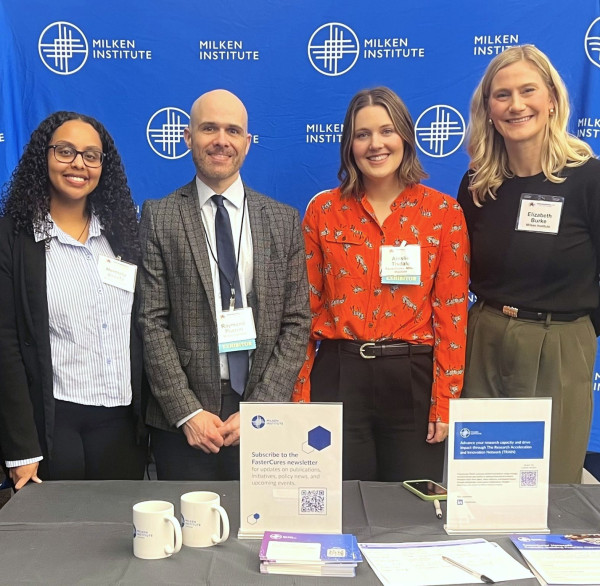
During Rare Disease Week, FasterCures staff participated in a series of events elevating the voices of patients and families affected by rare diseases and highlighting the urgent need for continued investment in research, innovation, and patient‑centered policy. Across convenings, patient advocates shared firsthand experiences with delayed diagnoses, limited treatment options, and the emotional and financial burden of rare diseases—reinforcing the importance of policies that support research, access, and innovation.
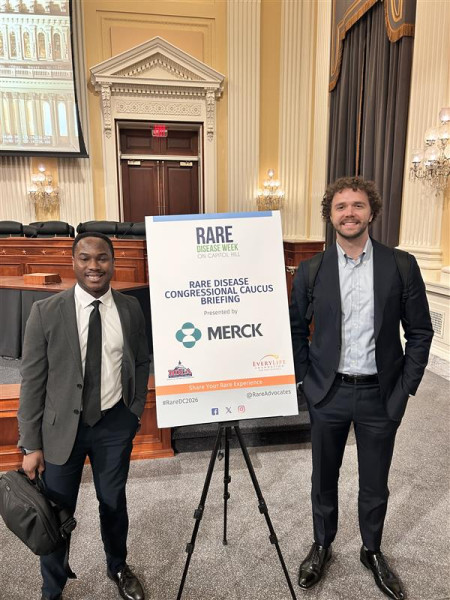
At the Food and Drug Administration (FDA) Rare Disease Day event, leaders emphasized the importance of speed, flexibility, and practical regulatory support, highlighting efforts to shorten review timelines, pilot new frameworks, and expand tools that help patient groups and developers navigate trial design and evidence generation. The National Institutes of Health (NIH) Rare Disease Day highlighted advances in genomics, AI‑enabled discovery, and data integration, underscoring that progress in rare disease research benefits all of medicine. Across events, a clear message emerged: Patients are driving discovery, and cross-sector collaboration is essential to translating breakthroughs into treatments.
Latest Publications
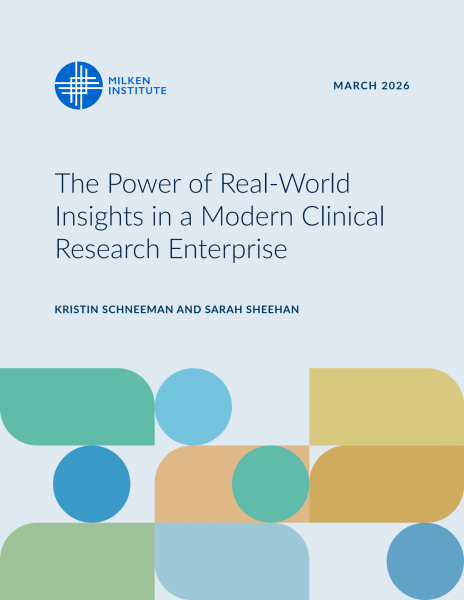
The Power of Real-World Insights in a Modern Clinical Research Enterprise
Real-world insights (RWI) are transforming clinical research decision-making by integrating health care, consumer, behavioral, and digital data to provide a more complete and continuous view of patients' lives.
The latest report, The Power of Real-World Insights in a Modern Clinical Research Enterprise, explores how more continuous, patient‑centered data can improve trial design, participation, and evidence generation, while also outlining the technical, ethical, and regulatory challenges that must be addressed to support responsible use across the research enterprise.
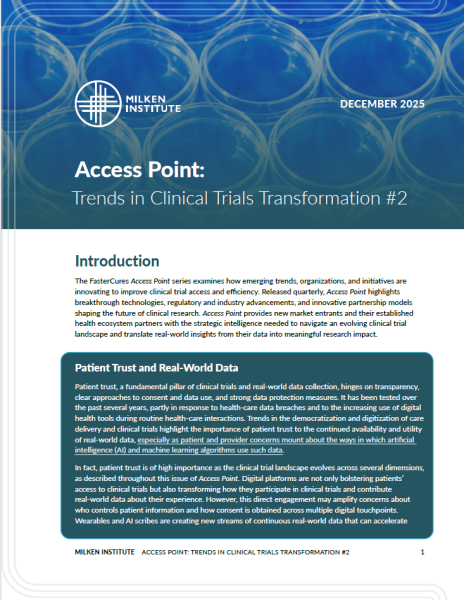
Access Point: Trends in Clinical Trials Transformation #2
Access Point: Trends in Clinical Trials Transformation #2 examines emerging developments shaping trial access, efficiency, and patient trust.
This quarterly horizon scan highlights the evolving use of digital tools, real‑world data, and policy shifts that are influencing how trials are designed, conducted, and experienced, offering strategic insights for both new entrants and established research stakeholders.
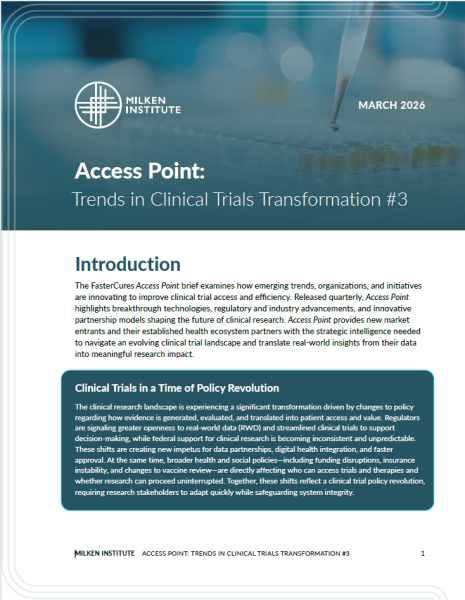
Access Point: Trends in Clinical Trials Transformation #3
In the latest issue of Access Point: Trends in Clinical Trials Transformation, FasterCures analyzes how recent policy shifts are influencing the generation, review, and translation of clinical evidence into patient access.
The report highlights regulatory changes, funding disruptions, and new expectations for data use, creating both opportunities and challenges for research stakeholders navigating a rapidly changing environment.
Expanding Access to Clinical Trials: Insights from FasterCures’ ENRICH-CT Coalition
In a new Insights article, “Expanding Access to Clinical Trials: Insights from FasterCures’ ENRICH‑CT Coalition,” ENRICH-CT highlights practical solutions emerging across the field to expand access to clinical trials.
Drawing on lessons from ENRICH‑CT coalition members, the article explores approaches to strengthening community‑based research sites, supporting the research workforce, and embedding patient perspectives to make trials more accessible, sustainable, and meaningful for the communities they serve.
Policy Updates
Milken Institute’s Policy Priorities and Approach
Government and policy engagement are central to the Milken Institute’s mission to accelerate measurable progress toward a meaningful life. The Institute advances its policy priorities through independent research, government engagement, and convening global leaders across finance, health, government, and philanthropy—leveraging insights from these efforts to inform actionable solutions.
Milken Institute policy priorities include:
- sustaining leadership in biomedical research and innovation by fostering an integrated ecosystem that connects discovery, research and development, regulatory evaluation, and access—ensuring scientific breakthroughs translate into real‑world impact;
- strengthening whole‑person health through prevention‑first strategies, integrated care models, and modernized health infrastructure that improve population health outcomes and reduce long‑term costs;
- catalyzing a more nutritious, sustainable, and resilient food system by advancing Food Is Medicine interventions, strengthening nutrition security, and building resilient food supply chains that link health, agriculture, and innovation; and
- supporting healthy aging and financial well‑being by advancing policies and innovations that promote longer, healthier lives, economic security, and social connectedness in an era of increased longevity.
Read the full policy brief.
FasterCures Provides Recommendations to Accelerate the American Scientific Enterprise
FasterCures submitted a comment letter to the White House Office of Science and Technology Policy’s Request for Information on accelerating the American scientific enterprise. The letter outlines structural reforms to strengthen coordination, reduce barriers, and ensure that scientific progress more efficiently translates into public benefit, drawing on insights from FasterCures’ work across the biomedical research ecosystem.
A summary of recommendations include:
- Establish a National Life Sciences Strategy and Implementation Plan to align public and private investments around shared, long‑term priorities and enable predictable early‑stage private investment.
- Launch time‑bound national data missions to support public‑private collaboration on urgent scientific challenges using federated data models, shared standards, and reusable governance frameworks.
- Improve access to federal health datasets by treating them as core scientific infrastructure and expanding secure, streamlined access for research and evidence generation.
- Strengthen national clinical research infrastructure, including expansion into community‑based settings, through a coordinated National Agenda for Clinical Trials and support for new and community‑based sites.
- Reduce administrative and regulatory barriers to clinical research by streamlining oversight, contracting, documentation, consent, and reimbursement policies that slow translation and limit participation.
- Enable high‑risk, high‑reward research by identifying national scientific grand challenges and reforming NIH structures and review processes to better support transformative science.
Financial Innovation Lab Dinner with Cancer Grand Challenges (London, UK)
In March, Sung Hee Choe, managing director, FasterCures, co-facilitated a private roundtable in London with Caitlin MacLean on structural market failures limiting high-risk discovery science and emerging investment and business model innovations addressing these gaps.
Additionally, Hadly Clark, director, and Yun Fu from the Innovative Finance team joined for numerous stakeholder meetings across London to advance the Financial Innovation Lab project with Cancer Grand Challenges.
Thought Leadership
FasterCures Featured in CURE Today on Supporting Employees with Cancer
Director Hadly Clark and Senior Director Sabrina Spitaletta were recently featured in CURE Today and Oncology Data Advisor, as well as in an accompanying video discussion, highlighting how employers can better support employees with cancer and cancer survivors. Both pieces draw on the Institute’s report Employers Mitigating Risk and Building Resilience and underscore the growing prevalence of cancer among workingage adults, particularly younger people balancing careers, caregiving responsibilities, and treatment. The coverage emphasizes the importance of workplace flexibility, anticipatory support, and empathetic organizational culture, reinforcing that supporting employees through cancer is not only compassionate but essential to workforce resilience and longterm retention.
A New Decision-Tree Framework to Modernize Screening Quality Measures
The Alliance for Screening Measurement Modernization (ASMM) Brief Series outlines a practical, evidence-based framework to modernize screening quality measures so they keep pace with new, FDA-cleared technologies, reducing delays that can limit patient access when measure updates wait on lengthy United States Preventive Services Task Force (USPSTF) review cycles. Developed by ASMM’s Industry and Quality Councils, the report introduces a clear decision-tree framework to help measure developers and stewards determine when updates are warranted, using triggers such as USPSTF “A/B” recommendations, Centers for Medicare and Medicaid Services national coverage determinations, and high-quality independent evidence.
FasterCures contributed to the briefs through its role as an ASMM Quality Council member, supporting cross-sector efforts to align screening innovation, quality measurement, and real-world adoption.
FasterCures Featured in The Chronicle of Philanthropy on Scaling Drug Repurposing
Senior Director Kristin Schneeman was quoted in The Chronicle of Philanthropy in an article examining how small philanthropic bets can accelerate drug repurposing by closing the “missing middle” between promising science and funder-ready clinical evidence. The piece highlights Cures Within Reach’s milestone-driven model, which provides early proof-of-concept support for trials of already approved drugs. Schneeman notes that while new machine-learning platforms and nonprofits are expanding the repurposing landscape, Cures Within Reach stands out for its longevity and disease-agnostic, repeatable approach, offering a replicable lesson for funders looking to de-risk innovation and accelerate progress toward patient impact.
FasterCures in the Community
- Clark spoke on two panels, “Bridging the Gap from Innovation to Access by Aligning Standardization” and “Policy & Reimbursement for Liquid Biopsy” at the Liquid Biopsy for Precision Oncology Summit.
Upcoming Events
- May 3–6, 2026, Global Conference in Los Angeles, CA