


Insights

SHARE
SHARE
Can you tell us about the California Small Business Loan Match?
California Small Business Loan Match is a new lender-match tool provided by the California Infrastructure and Economic Development Bank (IBank)as an extension of its Small Business Loan Guarantee Program. We created CA Loan Match to streamline the process of finding trusted loans for California entrepreneurs, bringing dozens of lenders together on one platform for a one-stop experience. All lenders have been pre-vetted and enrolled in IBank’s Loan Guarantee Program, which specializes in bridging the gap between responsible lenders and small businesses. The Loan Guarantee Program leverages funding from the State Small Business Credit Initiative (SSBCI).
What challenges do small businesses face in finding capital?
For many small businesses, the challenge isn't that capital doesn't exist—it's that finding the right financing partner at the right time can feel impossible. In a state as large and diverse as California, bridging that gap requires more than funding alone. It requires infrastructure, trusted partnerships, and scalable solutions that connect entrepreneurs to opportunity.
How did the Initiative for Inclusive Entrepreneurship help connect small businesses to capital?
Through the Milken Institute's Initiative for Inclusive Entrepreneurship (IIE), implementation partner Next Street worked alongside IBank to help strengthen the state's deployment of SSBCI funding. Together, they developed the California Small Business Loan Match platform, a statewide solution designed to connect entrepreneurs with mission-driven lenders while simplifying participation for community lenders and the state.
The challenge was significant. California's SSBCI Loan Guarantee Program relied on a broad network of participating lenders, yet many small businesses were unaware of available financing opportunities. At the same time, many community development financial institutions (CDFIs) lacked the marketing capacity to consistently reach prospective borrowers, while administrative reporting requirements created additional burdens for lenders and state agencies. The result was a disconnect between available capital and the businesses it was intended to serve.
To address these barriers, Next Street partnered with IBank to design and launch a centralized borrower-lender matching platform supported by a comprehensive, multichannel marketing strategy. The platform created a single intake and referral process that connects entrepreneurs with vetted participating lenders based on their financing needs.
The solution extended well beyond a matching tool. Community-based organizations were activated to increase awareness in underserved communities, while digital, social media, search, and local outreach campaigns helped drive applications from entrepreneurs who might otherwise never have engaged with the program.
Equally important, backend technology was integrated through Community Reinvestment Fund technology, creating a standardized reporting infrastructure that streamlined referrals, reduced administrative burden, and improved data tracking for participating lenders and the state. This public-private partnership blended public resources with private-sector expertise to build a scalable model that supports long-term ecosystem growth.
What has been the result of this effort?
Since launching in April 2024, the results have demonstrated the power of pairing technology with intentional outreach. More than $4 million in loans have been deployed through 74 transactions. Eighty-two percent of borrowers served are businesses with diverse ownership, including women-, Black-, and Latino-owned companies. The platform has also successfully reached the smallest businesses, with 83 percent of loans totaling $100,000 or less and 86 percent supporting businesses with five or fewer employees.
How scalable is this model?
California's experience demonstrates that expanding access to capital is not solely about increasing the availability of funding. It is about building systems that enable entrepreneurs to discover opportunities, connect with trusted lenders, and move efficiently through the financing process.
As jurisdictions across the country continue implementing and preparing for the long-term future of SSBCI, California's statewide Loan Match platform offers a replicable model. By combining centralized borrower intake, coordinated marketing, technology-enabled reporting, and strong public-private collaboration, the model bridges awareness and access gaps while integrating seamlessly with CDFIs and public lending programs.
Why are partnerships like the Milken Institute important for SSBCI administrators?
Through IIE's partnership, this approach shows how ecosystem infrastructure can transform public investment into measurable outcomes, ensuring capital reaches the small businesses, entrepreneurs, and communities it was designed to serve.
SHARE
Related Content
-

Stories from the Field: Charlie Gay
CK Sign Services is a Native-owned business that designs and produces signage for businesses, organizations, and communities. At first glance, that might sound straightforward. But the work carries a deeper meaning: Good signage helps...Read Article -

From Capital to Contracts: Capitalizing Underserved Suppliers and the Missing Middle to Strengthen Supply Chains
Supply chain resilience has become one of the defining economic priorities of this decade. From pandemic-era disruptions to geopolitical uncertainty and infrastructure modernization efforts, governments and corporations alike are...Read ArticleImage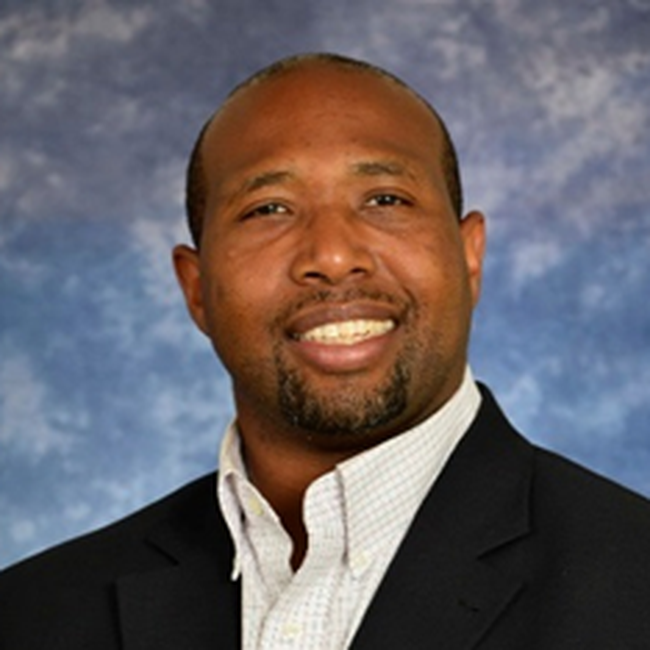
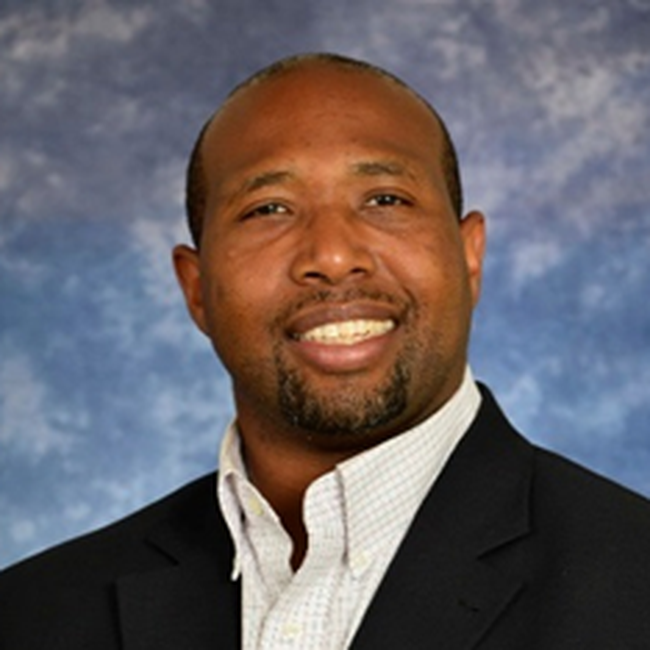
Camron Doss
Director, Milken Institute FinanceCamron Doss is a transformative senior leader with more than 30 years of specialized experience in strategic planning, stakeholder relations, external affairs, corporate communications, community and economic development, and business operations. At the Milken Institute, Doss leads the Initiative for Inclusive Entrepreneurship.
-

New Models for Scaling Investment in Start-Ups and Small Businesses
Small businesses are the backbone of the US economy, driving innovation, job creation, and local resiliency.Read Article
-

Financing the 'Great Ownership Transition' Through Inclusive Capitalism Mechanisms
The transition of business ownership across the United States represents one of the largest intergenerational wealth transfers in recent history. As millions of small and medium-sized businesses change hands, this “ownership transition”...View Research NJ
NJ
-

Improving Capital Access for Veteran Entrepreneurs and Military Spouses
Historically, veterans and military spouses have produced some of the most innovative and successful entrepreneurs in the United States, but their potential in today’s economy is constrained by limited access to the capital needed to grow...Read Report EY
EY


-

Capitalizing Community Lenders to Expand Affordable Small Business Finance
Across the United States, small businesses are essential drivers of job creation, innovation, and local economic resilience. Yet for many entrepreneurs—particularly those in low-income communities and communities of color—access to...Read ArticleImage
Camron Doss
Director, Milken Institute FinanceCamron Doss is a transformative senior leader with more than 30 years of specialized experience in strategic planning, stakeholder relations, external affairs, corporate communications, community and economic development, and business operations. At the Milken Institute, Doss leads the Initiative for Inclusive Entrepreneurship.
-

Federal Funding in Doubt? Create New State-Level Ecosystems that Back Community Development Financial Institutions
Earlier this month, the entire staff of the Treasury Department's Community Development Financial Institutions (CDFI) Fund was terminated as part of a large-scale reduction in force.Read ArticleImage
Rachel Reilly
Senior Director, Milken Institute FinanceRachel Reilly leads the Milken Institute’s Pathways to Capital portfolio of programs, which includes 10,000 Communities, the Inclusive Capitalism Program, and the Initiative for Inclusive Entrepreneurship. -

Milken Institute 2025 Finance Forum Welcomes Business, Government, and Cross-Sector Experts to Discuss US and Global Resilient Infrastructure, and Bottom-Up Economic Development Strategies
Washington, DC (March 5, 2025)—Today, the Milken Institute 2025 Finance Forum convenes more than 250 leaders, innovators, investors, and policymakers dedicated to identifying innovative ways to fund, finance, and deliver critical community...Read ArticleImage
Chad Clinton
Director, Media RelationsChad Clinton is the director of media relations for the Milken Institute. Hired to this role in August 2021, Clinton develops and executes strategies to amplify the Institute’s core messages by generating coverage of its pillar workstreams, experts, and events. -

As Global Disaster Losses Top $200 Billion a Year, a New Report from the Milken Institute Identifies Pathways for Greater Investment in Resilience Against Extreme Weather Events
A Financial Innovations Lab project identified key building blocks of a resilient community and developed financial, policy, and partnership pathways to achieve them.Read ArticleImage
Chad Clinton
Director, Media RelationsChad Clinton is the director of media relations for the Milken Institute. Hired to this role in August 2021, Clinton develops and executes strategies to amplify the Institute’s core messages by generating coverage of its pillar workstreams, experts, and events.